
10 Bad Habits That Can Destroy Your Marriage
I never realized how much damage small habits could do until I found myself sitting in a quiet house, next to someone I loved, feeling completely alone. Nothing dramatic had happened. No big blowout. Just years of tiny behaviors that piled up like unnoticed snow.
Pro Tip: The most dangerous habits in marriage are the ones you do not even notice you are doing. Self-awareness is the first and most important fix.
The truth is that marriages rarely explode. They erode. Like water dripping on stone, small repeated actions eventually wear down even the strongest foundation. The good news is that you can change the drip.
Pro Tip: Pick one habit to work on this week. Just one. Trying to fix everything at once guarantees you will fix nothing.
Here are ten bad habits I have seen destroy marriages up close. Some I have done myself. Some I have watched friends do. All of them are fixable if you catch them early.
Pro Tip: Read this list looking for yourself, not your spouse. You can only change your own behavior. Start there.
Key Takeaways
Bad habits in marriage are rarely about malice. They are about neglect, distraction, and autopilot. You stop trying because life gets busy. But your spouse notices when you stop.
Pro Tip: Ask your spouse honestly which of these habits bothers them most. Their answer might surprise you. Listen without getting defensive.
Most of these habits feel small in the moment. A rolled eye here. A sarcastic comment there. But small moments repeated become big problems. That is how marriage dies slowly.
Pro Tip: Do not wait for a crisis to address these habits. Prevention is easier than repair. Regular check-ins save years of heartache.
1. Not Communicating Openly With Your Partner

I used to think I was protecting my spouse by keeping my frustrations to myself. But silence is not protection. Silence is a wall. And walls keep people out, including the person you promised to let in.
Pro Tip: If you feel relief when your spouse stops asking questions, that is not peace. That is avoidance. Real peace comes from resolution.
Holding back your true feelings does not make them disappear. It makes them grow in the dark. And when they finally come out, they come out angry and messy and twice as big as they started.
Pro Tip: Start a daily ten-minute check-in. No phones. No TV. Just two people talking about their real day. That small habit changes everything.
2. Ignoring Your Partner’s Feelings And Needs

There was a time when my partner would say “I am tired” and I would just nod and keep watching TV. I heard the words but ignored the meaning. They were not just tired. They were exhausted and needed help.
Pro Tip: When your partner shares a feeling, your job is not to fix it. Your job is to hear it. Fixing comes later if they ask.
Ignoring feelings sends a clear message: what matters to you does not matter to me. That message, repeated enough times, convinces your spouse to stop sharing altogether. And then you are roommates.
Pro Tip: Ask one follow-up question every time. “Tell me more about that.” “What would help right now?” Those six words save marriages.
3. Constantly Criticizing Your Partner

I fell into the trap of thinking I was helping. Pointing out mistakes. Suggesting better ways. But my partner did not hear help. They heard “you are not good enough.” That hearing was my fault.
Pro Tip: Criticism attacks character. “You are so careless.” Feedback addresses behavior. “I would love help remembering that.” Learn the difference.
Constant criticism does not motivate improvement. It motivates withdrawal. Your spouse will stop trying because trying is never enough for you. That is a lonely place for both of you.
Pro Tip: For every criticism, offer five specific appreciations. That ratio is not random. It is what it takes to keep love alive.
4. Not Spending Quality Time Together

We lived in the same house but parallel lives. Me on my phone. Them on the laptop. Dinner in front of separate screens. We were present but not together. That is not marriage. That is coexistence.
Pro Tip: Quality time means eye contact and conversation. Sitting in the same room scrolling does not count. Be honest about the difference.
I told myself being home was enough. It is not. Your spouse needs your attention, not just your presence. Presence without attention is just occupying the same space.
Pro Tip: Schedule one hour of phone-free time every evening. The first week feels awkward. The second week feels natural. The third week feels essential.
5. Keeping Secrets From Each Other

I once hid a small purchase because I felt guilty about spending the money. Fifteen dollars. But when my spouse found the receipt, the fight was not about fifteen dollars. The fight was about why I hid it.
Pro Tip: Secrets do not have to be affairs to cause damage. A hidden receipt. A deleted text. A lied-about lunch. Small secrets train you to hide.
Trust is built in drops and lost in buckets. Every secret, no matter how small, tells your spouse that you have something to hide. Eventually, they stop believing anything you say.
Pro Tip: If you feel the urge to hide something, tell them immediately. “I bought something silly and feel embarrassed.” Honesty defuses almost everything.
6. Flirting Around With The Opposite Sex
I told myself harmless flirting was fine. A little attention. A few playful comments. No big deal. But my spouse did not see it that way. They saw me giving away something that belonged to us.
Pro Tip: The question is not whether you mean anything by it. The question is whether your spouse would be hurt if they saw it. Their pain matters more than your intent.
Flirting outside your marriage sends a signal that something is missing at home. Even if nothing physical happens, the emotional betrayal is real. And your spouse feels every bit of it.
Pro Tip: A good boundary test: would you do this with your spouse sitting next to you? If the answer is no, do not do it.
7. Taking Your Partner For Granted
I stopped saying thank you for the daily things. Dinner on the table. Laundry folded. Garbage taken out. These became background noise instead of the acts of love they really were. I assumed they would always be there.
Pro Tip: Gratitude is not about big gestures. It is about noticing the small things your spouse does every day and saying thank you out loud.
Taking someone for granted is not love. It is laziness dressed up as comfort. Real comfort includes active appreciation. Real love notices the effort.
Pro Tip: Every morning, think of one thing your spouse will do today that makes your life easier. Thank them for it before bed.
8. Avoiding Conflict Instead Of Resolving It
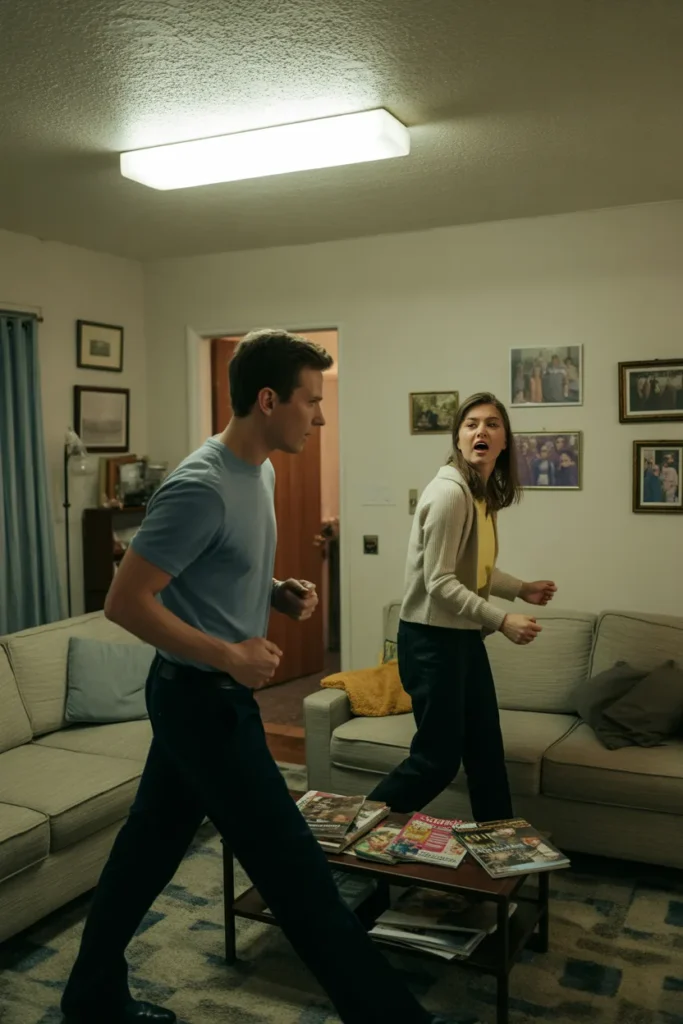
I hate conflict. So I would shut down during hard conversations. Go silent. Walk away. I thought I was keeping the peace. But I was just storing up trouble for later.
Pro Tip: Avoiding conflict does not make it disappear. It makes it grow. Unaddressed issues double in size every time you ignore them.
Healthy couples fight. They do not avoid fighting. They fight fair, stay in the room, and resolve things. Avoiding conflict is not peace. It is a ceasefire that will end eventually.
Pro Tip: Set a rule: no walking away without agreeing on when to come back. “I need twenty minutes. Then we talk.” That small structure saves marriages.
9. Constantly Comparing Your Partner To Others
I caught myself looking at other couples and feeling envious. He is more successful. They travel more. Why cannot we have that? Those comparisons poisoned my view of my own marriage.
Pro Tip: You see other people’s highlights. You live your own behind-the-scenes. Comparison is always unfair because the data is incomplete.
Comparing your spouse to someone else tells them they are not enough. And no one can compete with a fantasy. The person in front of you loses every time you compare them to an illusion.
Pro Tip: When you catch yourself comparing, stop and list three things your spouse does that no one else could replace. Specifics kill comparison.
10. Bringing Up Past Mistakes During Arguments

Every argument became a highlight reel of old failures. “Remember when you forgot our anniversary?” “You always do this, just like that time.” I was not fighting about the present. I was fighting about everything.
Pro Tip: If you have truly forgiven something, you never bring it up again. Bringing it up means you have not forgiven. Be honest about that.
Rehashing the past does not solve the present. It just ensures that nothing ever gets resolved. Your spouse stops listening because they know you will just bring up something old anyway.
Pro Tip: Make a rule. Nothing from before this month comes into an argument. If it was not worth fixing then, it is not worth using as a weapon now.
How To Deal With Bad Habits In Marriage

Fixing bad habits is not about perfection. It is about direction. You do not need to be a perfect spouse tomorrow. You just need to be moving toward better than you were yesterday.
Pro Tip: Progress over perfection. One small change today beats a grand plan you never start.
Talk Openly With Your Partner
Sit down when you are both calm. Not during a fight. Not when you are exhausted. Pick a neutral time and say “I have noticed some things I want to work on. Can we talk about it?”
Pro Tip: Use “I” statements. “I have been struggling with this.” Not “You always do this.” The first invites help. The second invites defense.
Approach The Problem As A Couple
Bad habits are not your fault or their fault. They are the relationship’s fault. You fix them together. Blame helps no one. Teamwork helps everyone.
Pro Tip: Say “we” instead of “you” or “I.” “We have developed this pattern.” That small word changes everything.
Agree On Boundaries
Talk about what is okay and what is not. Be specific. Vague boundaries like “be respectful” do not work. Specific boundaries like “no name-calling during arguments” actually help.
Pro Tip: Write down your agreed boundaries. Not as a contract. As a reminder. Seeing them in writing makes them real.
Final Take On Bad Habits That Can Destroy Your Marriage
I have done almost everything on this list. Probably multiple times. But I am still married because I started paying attention. Because I started apologizing. Because I started trying to be better than I was yesterday.
Pro Tip: Apologize without excuses. “I am sorry I did that. I will work on it.” No “but.” No explanation. Just apology. That alone repairs more than you think.
Your marriage is not doomed because you recognize yourself here. It is saved because you recognized yourself here. Now you know what to fix. Start today. One small change at a time.
Pro Tip: Pick one habit from this list and work on it for thirty days. Just one. Then pick another. That is how marriages get better. Slowly, steadily, one change at a time.