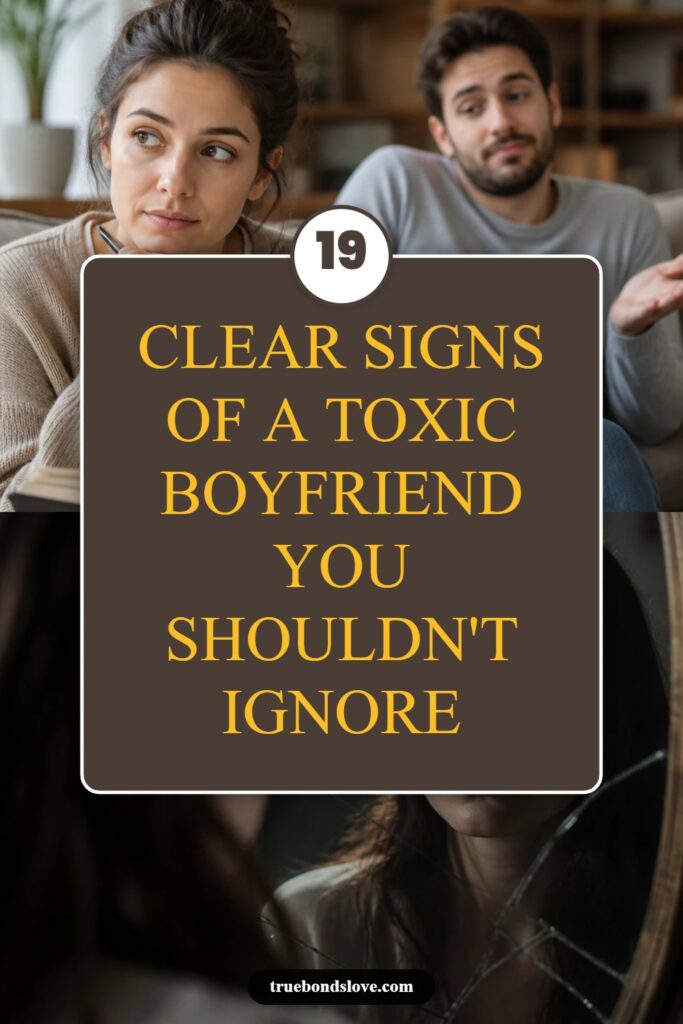
19 Clear Signs of a Toxic Boyfriend You Shouldn't Ignore
I’ve learned the hard way that recognizing toxic behavior early can save you a lot of pain. In my experience, certain red flags repeatedly show up in unhealthy relationships. I want to share the 19 clear signs of a toxic boyfriend you shouldn’t ignore, based on what I’ve seen and lived through.
Key Takeaways
- Trust your instincts if something feels off in your relationship.
- Consistent disrespect and manipulation are major warning signals.
- Toxic behavior often escalates over time if not addressed.
- Healthy boundaries are essential and should be respected at all times.
- Seeking support or stepping away when signs appear is a crucial self-care step.
1. Constant Criticism That Undermines You

I noticed early on that my boyfriend constantly criticized me, not just jokingly but in ways that made me question my worth. This behavior drained my confidence and kept me walking on eggshells. I’ve realized that no partner should make you feel less about yourself regularly.
Pro Tip: Set clear boundaries when criticism feels destructive rather than constructive.
2. Manipulative Behavior to Control Your Decisions

I caught on to my boyfriend’s manipulative tactics when he twisted conversations to get his way. He made me doubt my choices by always framing them as wrong unless they matched his desires. I understand now how critical it is to maintain autonomy in any relationship.
Fact: Manipulation is a common control tactic used by toxic partners to dominate decisions.
3. Excessive Jealousy That Feels Suffocating

I’ve experienced extreme jealousy that made me feel trapped rather than loved. My boyfriend would question my every interaction, causing tension and anxiety. I learned that jealousy is normal, but excessive jealousy is a sign of insecurity and control.
Insight: I found that setting firm boundaries reduced the impact of jealous behavior on my well-being.
4. Disrespecting Your Boundaries Repeatedly
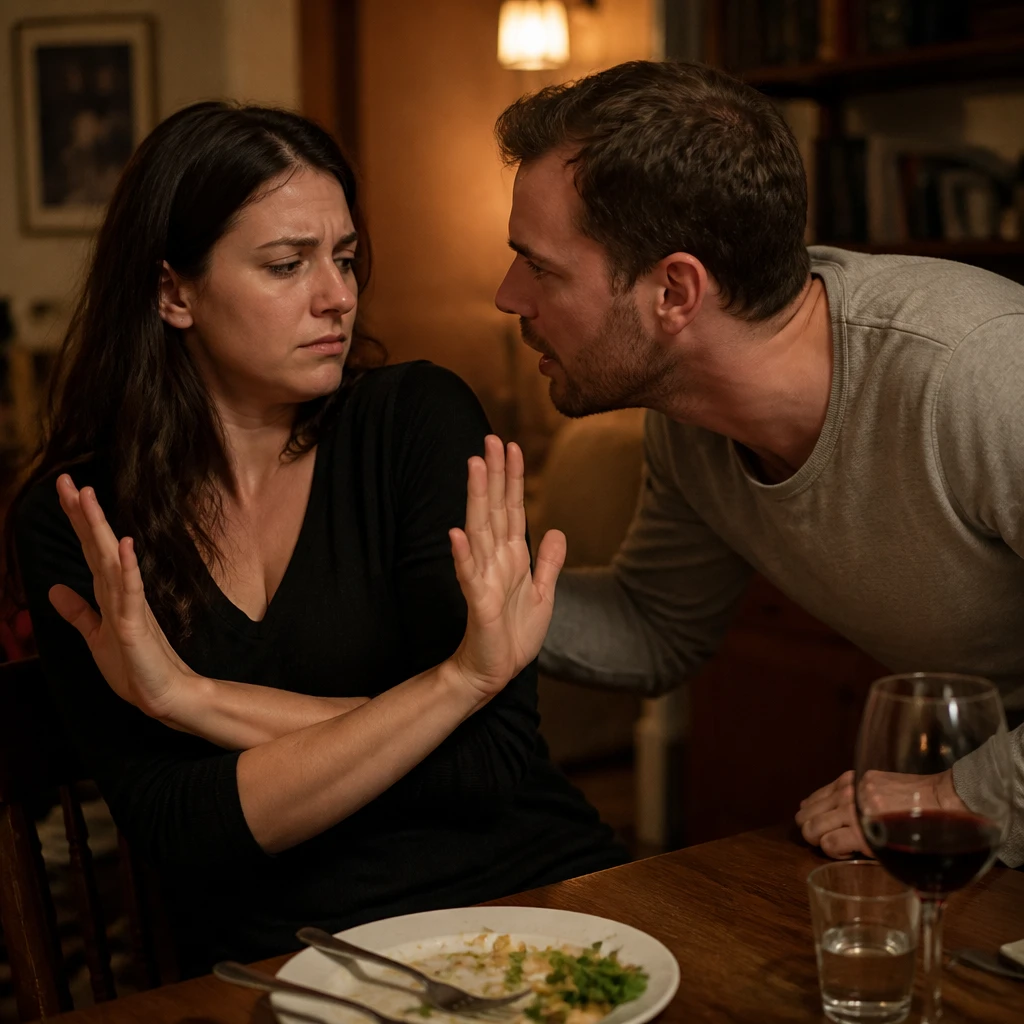
Despite telling him my limits, my boyfriend consistently ignored my boundaries, which made me feel unsafe. This disregard was one of the biggest red flags I ignored for too long. I recommend reinforcing your boundaries firmly and walking away if they aren’t respected.
Pro Tip: Communicate your boundaries clearly and reinforce them when they are crossed.
5. Gaslighting That Leaves You Doubting Yourself

Gaslighting was one of the hardest behaviors to recognize because it made me question my own reality. He denied things he said or did, leaving me confused and anxious. I now understand that trusting my instincts helped me break free from this manipulation.
Fact: Gaslighting is a psychological abuse tactic used to make victims question their perception.
6. Isolation From Friends and Family
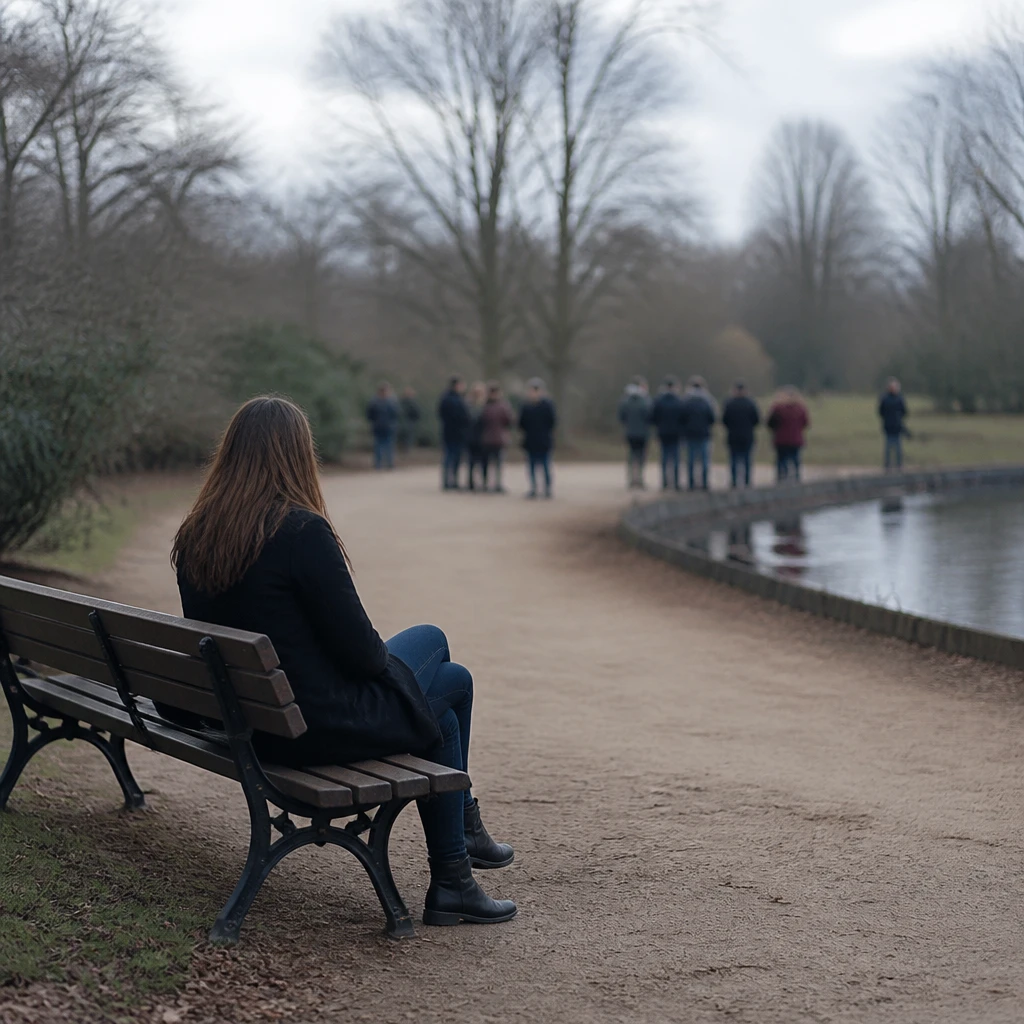
My boyfriend frequently discouraged me from spending time with loved ones, making me feel isolated. Looking back, I see this was an attempt to control my social life and cut off support systems. I advise maintaining strong connections outside your relationship to protect your mental health.
Pro Tip: Prioritize relationships with friends and family as a support network.
7. Unpredictable Mood Swings That Create Tension
Living with unpredictable mood swings left me constantly anxious about what might trigger anger or withdrawal. His drastic mood changes made it hard to have stable conversations or feel safe. I learned that emotional stability is necessary for a healthy partnership.
Insight: I realized that constant emotional volatility is emotionally exhausting and unhealthy.
8. Blaming You for Everything That Goes Wrong
He would blame me for problems in the relationship and in his life, making me feel responsible unfairly. I found this constant scapegoating emotionally draining and unfair. I believe accountability needs to be mutual in any healthy relationship.
Fact: Blaming others consistently deflects responsibility and is a toxic behavior pattern.
9. Lack of Support for Your Goals and Dreams

My boyfriend dismissed my ambitions as unimportant or unrealistic, which hurt my confidence deeply. I had to learn that a supportive partner challenges you to grow rather than hold you back. I’ve found encouragement is a vital sign of a healthy relationship.
Pro Tip: Surround yourself with partners who genuinely encourage your passions and goals.
10. Breaking Promises Without Apology
He repeatedly broke promises and acted like it was no big deal, which chipped away at my trust. I realized that consistency and respect for commitments are foundational. I recommend acknowledging these patterns early to avoid long-term damage.
Insight: I learned that broken promises often signal deeper respect issues in the relationship.
11. Using Your Vulnerabilities Against You
I once shared my fears and he later used those vulnerabilities as ammunition during arguments. This betrayal left me feeling unsafe and guarded. I know now that emotional safety is not negotiable in love.
Fact: Abusing trust through vulnerabilities is a hallmark of toxic emotional abuse.
12. Frequent Lies and Dishonesty
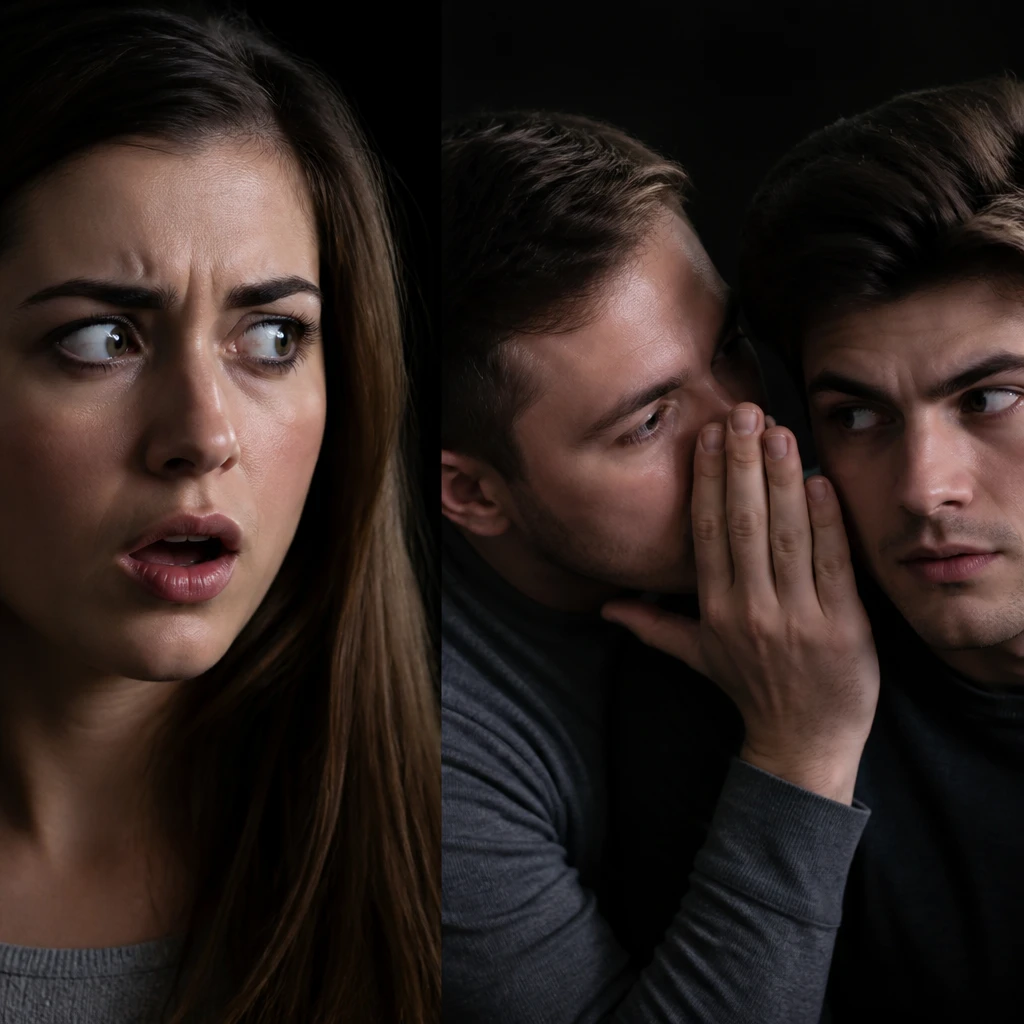
I caught him in multiple lies that undermined the foundation of trust between us. Even small untruths created a ripple effect of suspicion. I recommend valuing transparency as a key part of any strong relationship.
Pro Tip: Practice open communication and address dishonesty immediately when suspected.
13. Disrespecting Your Time and Priorities
He often disregarded my schedule and needs, showing up late or canceling plans without consideration. This disrespect made me feel unimportant and frustrated. I learned to expect respect for my time as a basic relationship standard.
Insight: I understood that valuing your time reflects how much your partner respects you.
14. Controlling Your Appearance or Choices
He tried to dictate how I dressed or acted, under the guise of ‘knowing what’s best for me.’ This controlling behavior stifled my freedom and individuality. I’ve realized that a loving partner supports your authentic self instead of trying to change it.
Fact: Controlling personal expression limits your autonomy and is a toxic sign.
15. Frequent Anger Outbursts Directed at You
His anger often exploded unexpectedly and was disproportionate to the situation. I found these outbursts frightening and damaging to my sense of security. I suggest recognizing that emotional abuse can manifest through uncontrolled rage.
Pro Tip: Stay safe and seek help if anger outbursts escalate or become threats.
16. Lack of Apologies or Taking Responsibility
He rarely admitted fault or said sorry, which left issues unresolved and hurt feelings piling up. I realized that accountability is crucial for healing and growth together. I recommend reflecting on whether your partner can genuinely apologize as a sign of respect.
Insight: I found that unwillingness to apologize prolongs conflict and erodes trust.
17. Making You Feel Guilty for Having Other Priorities
Whenever I focused on my career or hobbies, he framed it as neglecting him and made me feel guilty. This tactic put me in an impossible position where my personal growth felt wrong. I believe partners should celebrate each other’s individuality without guilt-tripping.
Fact: Guilt-tripping over personal priorities often functions as emotional manipulation.
18. Inconsistent Affection and Attention

His showing affection sporadically left me confused about how he really felt. I discovered that emotional inconsistency often masks deeper relational issues. I recommend expecting steady and reciprocal affection as a sign of mutual care.
Pro Tip: Address inconsistencies openly and consider whether patterns improve over time.
19. Refusing to Compromise or Communicate
He shut down conversations whenever I tried to resolve problems or suggest compromises. This refusal created a dead-end in communication and growing frustration. I’ve learned that open dialogue is necessary for a relationship to thrive.
Insight: I realized without communication, no relationship can develop healthily.
FAQs ( Frequently Asked Questions )
Conclusion
In my experience, recognizing these toxic behaviors early helped me take back control of my life and happiness. You deserve respect and love that uplifts you every day. Trust yourself and don’t ignore these warning signs.