
10 Easy Tricks to Stop Being a Couch Potato Wife

Do you find yourself spending most of your free time on the couch, scrolling through your phone or watching television?
It can start innocently as a way to relax, but over time it may turn into a habit of constant inactivity.
If you want more energy, better health, and a more active lifestyle, small changes can make a big difference.
What Does It Mean to Be a Couch Potato Wife?

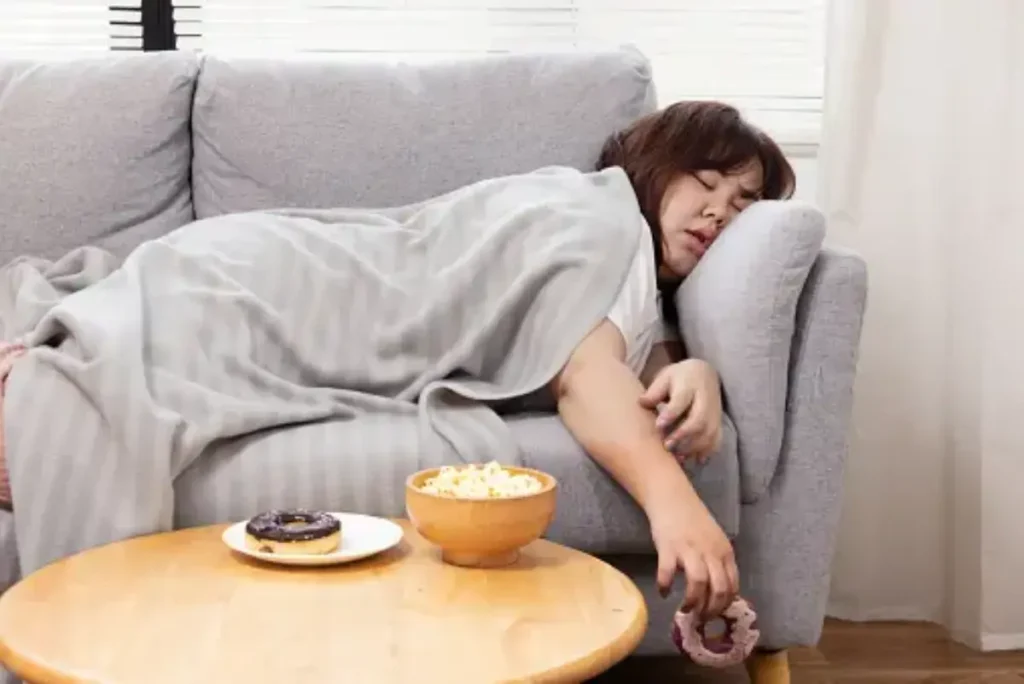
Being a couch potato wife means living a mostly inactive lifestyle. It involves spending long hours sitting or lying down with little physical movement.
With responsibilities like work, household chores, and family life, it can feel tempting to rest whenever you get the chance. Technology also makes it easy to stay glued to one spot.
While rest is important, too much inactivity can affect your health, confidence, and even your relationship. Low energy and poor health habits can slowly take a toll.
Easy Tricks to Stop Being a Couch Potato Wife

Changing your lifestyle does not require drastic steps. Simple, consistent actions can help you become more active and feel better daily.
Here are practical tricks that can help you get started.
1. Set aside time each day for physical activity
Decide that exercise is important and schedule it into your day. Even 15 minutes is enough to begin.
Pick a time that works best for you and protect that time. Treat it like any other important appointment.
As you build consistency, you can slowly increase the duration.
2. Find an activity you enjoy
Exercise does not have to feel boring or stressful. Choose something you genuinely like doing.
It could be walking, dancing, cycling, or following a home workout video. When you enjoy it, you are more likely to stick with it.
Fun activities make movement feel less like work.
3. Start slowly and increase gradually
There is no need to rush into intense workouts. Start at a comfortable pace.
Listen to your body and build your strength step by step. Slow progress is still progress.
Consistency matters more than intensity in the beginning.
4. Find a workout buddy
Having someone to exercise with can boost your motivation. A friend, neighbor, or even your spouse can join you.
You can encourage each other and stay accountable.
Support makes it easier to keep going when you feel tired.
5. Make exercise part of your routine
Turn physical activity into a daily habit. When something becomes routine, it feels natural.
Link exercise to an existing habit, such as working out after breakfast or before dinner.
When it becomes automatic, you are less likely to skip it.
6. Reward yourself for progress
Set small, realistic goals and celebrate when you achieve them.
Rewards can be simple, like buying new workout clothes or enjoying a relaxing evening.
Recognizing your effort keeps you motivated.
7. Don’t give up after setbacks
There will be days when you feel tired or busy. Missing one workout does not mean failure.
Instead of quitting, restart the next day.
Progress is not perfect, and every new day is another chance.
8. Add movement to your daily life
Look for small ways to stay active throughout the day.
Take the stairs, stretch while watching TV, or walk during phone calls.
Small movements add up over time.
9. Make your home exercise-friendly
Create a space that encourages movement. Keep your workout clothes and equipment visible and accessible.
Even a small corner with a mat can make a difference.
When everything is ready, it becomes easier to begin.
10. Try different types of exercise
Do not limit yourself to one activity. Experiment until you find what energizes you.
You might enjoy yoga, strength training, aerobics, or dance workouts.
Trying new things keeps your routine exciting and prevents boredom.
Conclusion
Breaking free from a sedentary lifestyle starts with small, intentional steps. You do not need to change everything overnight.