How Does Anxiety Relate to Depression?

Anxiety and depression are two of the most common reasons people look for mental health support. In the past, depression was more common, but over time anxiety has become just as frequent, and sometimes even more common. Many people experience both anxiety and depression in different ways, and they often affect each other. They can move together in a cycle, where changes in one can lead to changes in the other.
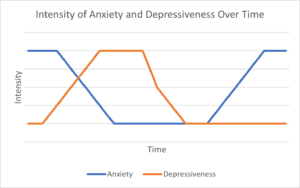
From long-term experience, anxiety and depression often show an inverse pattern for many people. When anxiety rises, depression may lower, and when depression increases, anxiety may ease for a while. This back-and-forth can feel like an ongoing emotional struggle that is hard to escape.
Anxiety and Depression Interact
Anxiety appears to play a role in many mental health struggles, not only those labeled as anxiety disorders. Even though professionals may disagree on exact definitions, anxiety is often present across many emotional concerns. This discussion focuses only on how anxiety connects with depression.
Many people experience anxiety or depressiveness without having a formal diagnosis. Some may be diagnosed with one condition, some with both, and many with neither. The term “depressiveness” can describe depressive symptoms that may or may not reach the level of clinical depression. These experiences still affect daily life and emotional health.
How Might Anxiety Relate to Depression?
Anxiety is a very common human experience. A large part of the population feels anxiety symptoms during the year, and almost everyone experiences anxiety at some point in life. When anxiety happens often, it can be draining and overwhelming over time.
As a way of coping, depressiveness may slowly increase. Feeling more depressed can reduce how much a person engages with the world, which may lower anxiety for a short time. Sleeping more, staying in bed, or feeling less interest in things can mean fewer situations that trigger anxiety. This can bring temporary relief, but it is usually a form of avoidance.
When depressiveness increases, anxiety may decrease for a while. Even though this can feel like a break from anxiety, most people strongly dislike feeling depressed. Eventually, depressiveness may lessen on its own or people may seek help. During this short period, both anxiety and depressiveness can feel lower before anxiety returns again and the cycle restarts.
Can Depression Come First?
In some cases, people feel that depressiveness came before anxiety in their lives. Long periods of feeling depressed can affect daily functioning, such as work, school, and relationships. These struggles can then lead to worry and fear about not meeting expectations or standards.
Both anxiety and depressiveness can strain relationships, which adds more emotional stress. Certain thoughts or beliefs about oneself, such as feeling not good enough, can feed both anxiety and depressiveness. Because these beliefs affect both, they help explain why the two are so closely connected.
Learning how to manage anxiety more effectively can interrupt this cycle. When anxiety is handled in healthier ways, it can reduce depressiveness and open the door to living with more ease and enjoyment.
You Can Create a Different Experience
People who struggle with anxiety or depressiveness can change their experience by learning to understand the cycle between them. Gaining awareness, practicing helpful skills, and using them regularly can make a real difference.
Breaking the pattern takes time and effort, but it is possible. With better understanding and consistent practice, people can reduce emotional distress and move toward a fuller and more balanced life.