How To Know If You Married The Wrong Person

Marriage is supposed to be a partnership built on love, trust, and shared goals. Most people enter marriage believing they’ve found the person they want to spend their life with.
But sometimes, as the years pass, doubts begin to appear. You may start wondering if the person you chose is truly the right partner for you.
I understand this feeling well. Many people believe they’ve found their soulmate, only to realize later that the relationship doesn’t feel as fulfilling as they expected.
If you’ve reached a point where you’re questioning your marriage, you may be asking yourself: How do I know if I married the wrong person?
In simple terms, you may have married the wrong person if your partner consistently makes you feel unsupported, unloved, or disconnected. When your values, goals, and emotional needs no longer align, it can create deep dissatisfaction in the relationship.
Realizing this can be painful, but before jumping to conclusions, it’s important to carefully reflect on your relationship.
In this article, we’ll explore the key signs you may have married the wrong person and what you can do if you find yourself in that situation.
12 Signs You May Have Married the Wrong Person

Every marriage has ups and downs. Disagreements and challenges are normal.
However, when certain patterns become constant and unresolved, they may signal deeper problems in the relationship.
Here are some common signs.
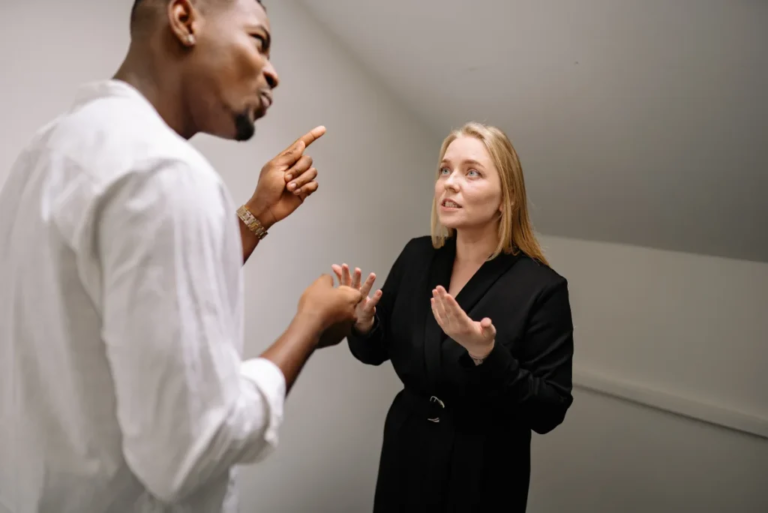
1. Constant conflict and unresolved arguments
Healthy couples disagree sometimes. But they also know how to resolve those disagreements respectfully.
If your marriage is filled with constant fighting, unresolved arguments, and tension, it may indicate deeper compatibility issues.
When problems are never solved and the same arguments keep repeating, the relationship can become exhausting for both partners.
2. Lack of respect and emotional support
Respect and emotional support are the foundation of a healthy marriage.
If your spouse frequently criticizes you, dismisses your feelings, or refuses to support you during difficult moments, it can create emotional distance.
A loving partner should uplift you, not make you feel small or unimportant.
3. Loss of intimacy and affection
Physical and emotional intimacy helps keep a marriage strong.
If affection, closeness, or romantic connection has disappeared completely, it may signal a deeper disconnection between partners.
While intimacy naturally changes over time, a total absence of affection can indicate unresolved emotional issues.
4. You feel lonely in your marriage
Marriage should make you feel connected, supported, and understood.
But sometimes people feel more lonely in their marriage than when they were single.
If you feel emotionally isolated and unable to connect with your spouse, it may be a sign that something in the relationship is missing.
5. The relationship limits your personal growth
A healthy partner encourages your dreams, goals, and personal development.
However, if your spouse constantly discourages your ambitions or tries to control your choices, the relationship can begin to feel restrictive.
Your partner should support your growth—not hold you back.
6. Constant criticism
Constructive feedback can help a relationship grow.
But constant criticism can damage your self-esteem and create resentment.
If your partner regularly puts you down, mocks your decisions, or makes you feel inadequate, it can slowly erode the emotional bond between you.
7. Different values and life goals
Shared values play a major role in long-term relationship success.
If you and your spouse have very different beliefs, priorities, or life goals, it can lead to ongoing disagreements.
For example, differences about finances, family plans, religion, or lifestyle choices can create lasting tension.
8. Frequent financial conflicts
Money is one of the most common sources of conflict in marriage.
If you and your spouse constantly argue about spending, saving, or financial responsibility, it can create serious strain.
Financial dishonesty or secrecy can also break trust in a relationship.
9. One partner refuses to compromise
Compromise is essential for any relationship to survive.
If one partner always expects things to go their way and refuses to meet in the middle, resentment can grow quickly.
A strong marriage requires teamwork and willingness from both partners.
10. Broken trust
Trust is the foundation of every successful marriage.
If trust has been damaged through dishonesty, betrayal, or broken promises, it can be extremely difficult to rebuild.
Without trust, a relationship often struggles to move forward.
11. Your boundaries are not respected
Healthy relationships respect personal boundaries.
If your partner repeatedly ignores your needs, crosses boundaries, or dismisses your feelings, it shows a lack of respect.
Feeling unheard or ignored can create deep emotional frustration over time.
12. You feel trapped and unhappy
Marriage should bring joy, comfort, and companionship.
If you feel trapped, resentful, or deeply unhappy most of the time, it may be a sign that something is seriously wrong in the relationship.
A healthy relationship should add peace to your life—not constant stress.
What To Do If You Think You Married the Wrong Person
Realizing your marriage may not be working can be extremely painful. But there are steps you can take to better understand your situation and decide what to do next.
1. Have an honest conversation with your partner
The first step is open communication.
Talk to your partner about how you feel without blaming or attacking them. Share your concerns calmly and listen to their perspective as well.
Sometimes honest conversations can reveal misunderstandings and help both partners reconnect.
2. Set clear boundaries
If you want to improve the relationship, it’s important to establish clear expectations.
Communicate what you need in terms of respect, communication, and emotional support.
Healthy boundaries can protect your well-being and improve the relationship dynamic.
3. Consider professional counseling
Sometimes couples struggle to resolve issues on their own.
A relationship counselor or therapist can provide a safe space to discuss problems and help both partners develop healthier communication habits.
Professional guidance can make a significant difference for many couples.
4. Consider separation if necessary
In some cases, the relationship may become too toxic or emotionally damaging to continue.
If the marriage involves ongoing disrespect, emotional harm, or serious incompatibility, separation may be the healthiest choice.
While this decision is difficult, prioritizing your well-being is important.
Final Thoughts
Realizing you may have married the wrong person can be one of the most painful experiences in life.
However, questioning your relationship does not automatically mean the marriage is doomed. Many couples go through difficult phases and eventually rebuild stronger relationships.
The key is honest reflection, open communication, and a willingness from both partners to grow.