
10 Signs Your Daughter May Have Experienced Abuse and How to Help
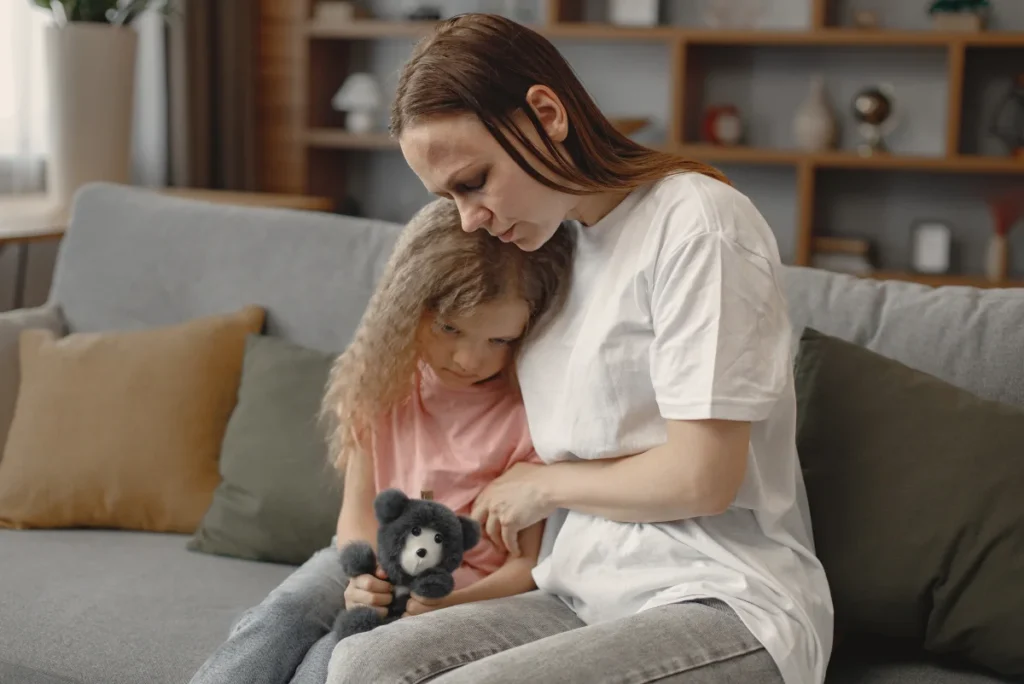
Finding out that your daughter may have gone through abuse can be heartbreaking.
What makes it even harder is when you don’t know what happened, because this stops you from giving her the right support.
Understanding the signs can help you protect her and avoid hurting her by accident.
Many parents ask, “What are some signs that my daughter might have been abused?”
There are many signs, ranging from sudden behavior changes to self-harm.
Knowing these signs can help you understand what she might be dealing with and how to help her heal.
Below are ten important signs to look for and what you can do to support your daughter.
1. Sudden Changes in Her Behavior
A daughter who has been abused may start pulling away from things she normally enjoys.
She may act differently, become aggressive, or have mood swings she never had before.
She can suddenly seem like the opposite of the sweet girl you know.
These changes can come from guilt, fear, or confusion she doesn’t know how to express.
Her reactions may feel surprising or out of place.
But they are often a sign that something deeper is going on.
2. She Fears Specific People or Places
If your daughter suddenly avoids certain people or places she once felt okay with, that can be a warning sign.
She may refuse to visit places she used to enjoy or become anxious when a certain person is mentioned.
This fear often means something happened that made her feel unsafe there.
3. There Is Regression in Her Development
Abuse can create intense anxiety, causing a child to return to behaviors they’ve outgrown.
If your older daughter begins bedwetting, thumb-sucking, or acting much younger than her age, pay close attention.
These actions often show emotional stress caused by something she doesn’t understand.
4. Unexplained Physical Injuries on Her Body
Another warning sign is seeing bruises, burns, or other injuries that she can’t explain clearly.
If the explanation doesn’t match what you see, it can mean something harmful happened.
Physical marks that appear often or without a clear reason should never be ignored.
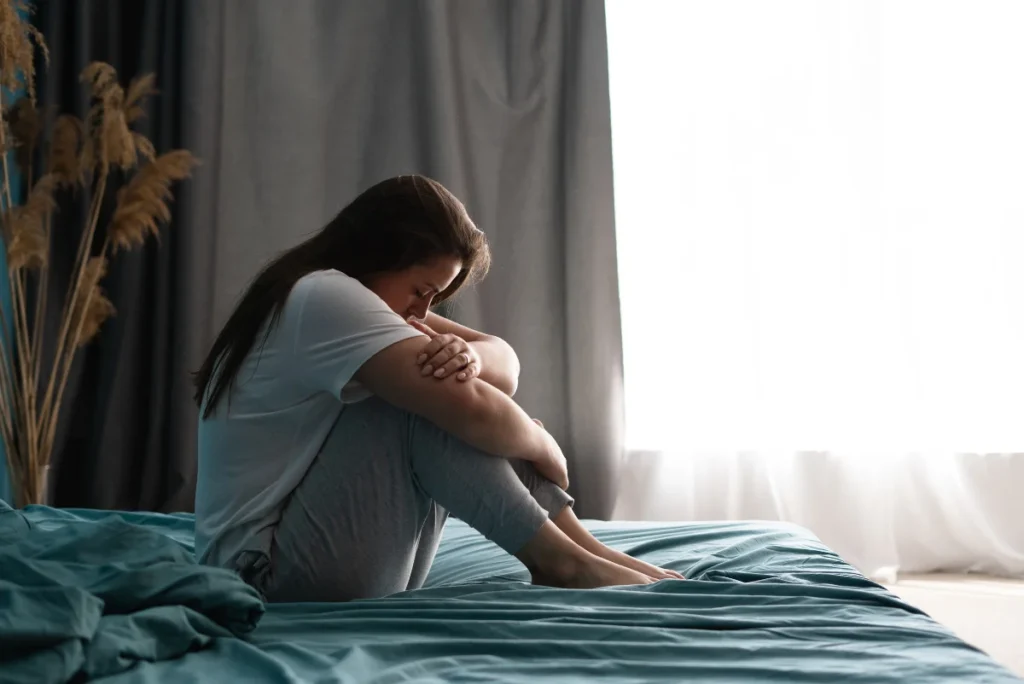
5. Changes in Her Academic Performance
If she once attended school regularly but now avoids going, it could be a sign of trouble.
A sudden drop in grades or a careless attitude toward school may show she is dealing with emotional pain.
If abuse happened at school, she may feel unsafe returning there.
6. She Experiences Sleep Disturbances
Nightmares, sleeplessness, or fear of sleeping alone can be signs of trauma.
Your daughter may struggle to rest because her mind is replaying what happened.
These sleep problems can appear suddenly after the abuse starts.
7. She Shows Sexualized Behavior or Knowledge Beyond Her Age
If your daughter begins making sexual jokes, gestures, or comments that are not age-appropriate, take it seriously.
Children do not naturally know certain terms or behaviors unless they have been exposed to them.
This can be a major sign that abuse may have occurred.
8. She Has Eating Disorders or Changes in Appetite
Losing interest in foods she once loved or refusing to eat can signal emotional distress.
Rapid weight gain or loss may also appear due to stress and hormonal changes caused by trauma.
Her eating habits may shift without any clear physical reason.
9. She Displays Self-Harm or Suicidal Thoughts
If she begins hurting herself, carving her skin, scratching herself, or speaking about wanting to die, this is a serious warning.
These actions often show she’s carrying pain she doesn’t feel safe explaining.
Self-harm can be her way of coping with something too heavy to talk about.
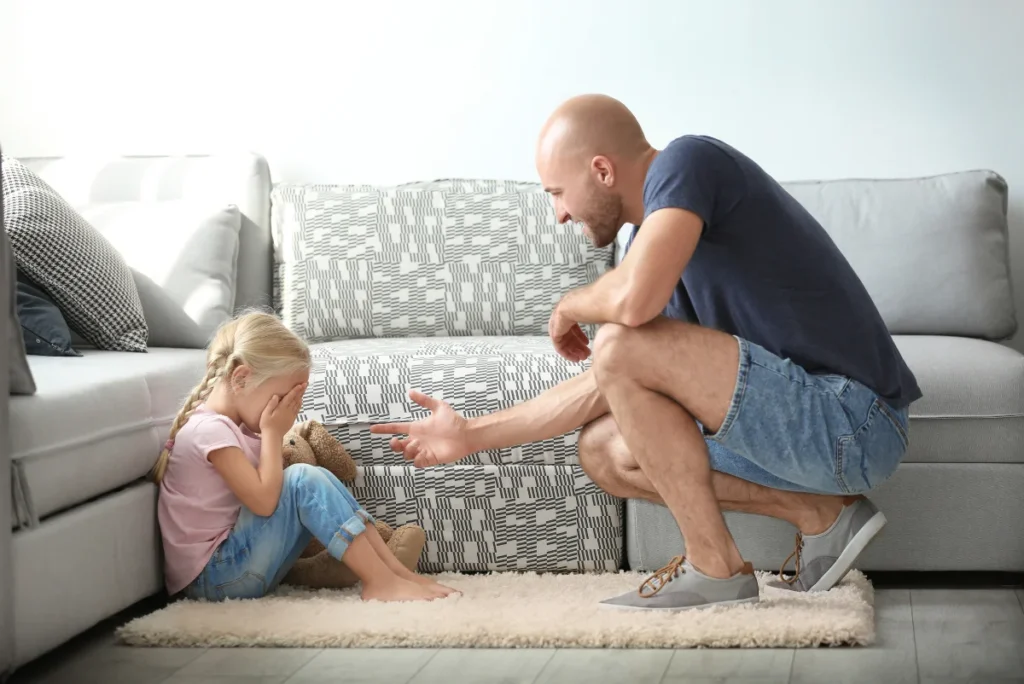
10. Excessive Clinginess or Fear of Separation
A daughter who has been abused may cling tightly to you or her caregiver.
She may fear being left alone because she wants to stay near the people she trusts.
This is often her way of trying to protect herself from being hurt again.
How to Help Your Daughter Who Might Have Been Abused
Create a Safe and Open Environment for Her
Children who have been abused often struggle to talk about their feelings.
They may fear not being believed or worry that they will be judged.
Let her know she is safe with you and that she can speak without fear.
Believe and Support Her
You are her first source of strength and comfort.
When she sees that you believe her, it helps her feel like her feelings matter.
Your support plays a huge role in helping her recover emotionally and physically.
Consult Therapists, Counselors, or Child Psychologists
If you suspect abuse, getting professional help is important.
Therapists and child psychologists can guide her through healing before trauma grows worse.
They can also help prevent long-term issues like PTSD.
Report the Abuse
If you know or strongly suspect abuse, report it right away to the proper authorities.
Taking action helps protect your daughter and ensures the person responsible is held accountable.
It also reassures her that her abuser will no longer have the chance to hurt her.
Be Patient and Understanding
Healing takes time, and your daughter may react in ways that are hard to manage.
Do not rush her or push her to “move on.”
If you become overwhelmed, speak to a therapist for guidance instead of taking your frustration out on her.
Monitor and Limit Her Exposure to Potential Abusers
Do not leave her alone in situations where you feel unsure.
Stay involved in her activities, including school events, to know who she spends time with.
Encourage her to stay in safe environments and avoid being alone with strangers or questionable adults.
Wrapping Up
If you believe your daughter may have experienced abuse, take action quickly.
Reach out to professionals, report the issue, and give her the support she needs.
Your guidance, love, and protection can make a huge difference in her healing.