
12 Heartfelt Ways to Feel Closer to a Husband Who Has Passed Away
Losing my husband changed every part of my life. The silence felt louder, daily routines felt empty, and even ordinary moments reminded me of what I had lost. While grief never completely disappears, I’ve learned that there are healthy ways to keep his memory close while continuing to live my life.
Research from the American Psychological Association shows that maintaining a healthy emotional connection with a deceased loved one can be a normal and beneficial part of the grieving process. Rather than trying to forget, many grieving spouses find comfort in honoring memories and preserving the bond they shared.
In this guide, I’ll share practical and heartfelt ways that have helped many widows feel connected to their husbands after loss. These ideas can bring comfort, encourage healing, and remind you that love doesn’t end when someone passes away.
Key Takeaways
- Keeping your husband’s memory alive can support healing and emotional well-being.
- Personal rituals and traditions often provide comfort during grief.
- Staying connected to meaningful memories can reduce feelings of isolation.
- Creative expression can help process emotions that are difficult to put into words.
- Seeking support from others is a sign of strength, not weakness.
- Moving forward doesn’t mean leaving your husband behind.
1. Create a Memory Box or Journal
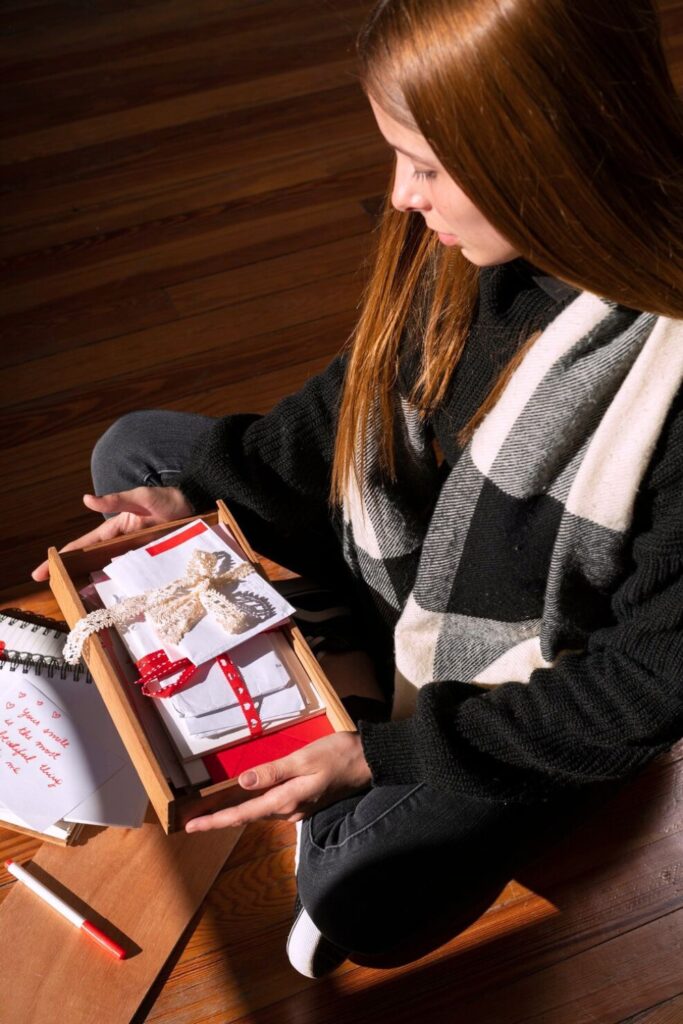
One of the first things I found helpful was creating a dedicated space for memories. During grief, I worried about forgetting little details, such as favorite conversations, inside jokes, or special moments we shared.
A memory box can hold photographs, letters, cards, and small items that remind you of your husband. These physical reminders often provide comfort during difficult days.
I also recommend keeping a journal. Writing down memories, thoughts, and feelings can be surprisingly therapeutic. Some grief counselors even encourage writing letters to a deceased spouse because it helps process emotions and maintain a sense of connection.
Pro Tip: Write down stories about your husband while they’re still fresh in your mind. Over time, these memories become priceless treasures.
2. Engage in Activities You Enjoyed Together
Whenever I participate in activities my husband and I loved, I feel closer to him. Whether it’s cooking a favorite meal, taking a walk, gardening, or watching a movie we enjoyed together, those experiences often bring comforting memories.
Continuing shared traditions can transform painful reminders into meaningful moments of remembrance. Instead of focusing solely on loss, I try to focus on the happiness those experiences brought into our lives.
If doing these activities alone feels overwhelming, consider inviting family members or friends who also knew and loved him. Shared memories often bring comfort and connection.
3. Create a Ritual of Remembrance
Having a simple ritual helped me cope with grief in a healthy way. Rituals provide structure during a time when emotions can feel unpredictable.
For example, I may light a candle on special occasions, play a meaningful song, or spend a few quiet moments reflecting on cherished memories.
Many grief experts note that rituals can help people maintain emotional bonds while adapting to life after loss. Even small acts can become powerful reminders of enduring love.
You might also create a memorial corner at home with photographs and meaningful keepsakes that bring peace and comfort.
4. Talk to Him, Even If He’s Not Physically There

At first, talking to my husband after his death felt unusual. But over time, I realized it helped me feel less alone.
Sometimes I share updates about my day. Other times, I simply express feelings I would have shared with him if he were still here. This practice can provide emotional relief and help reduce feelings of isolation.
There’s no right or wrong way to do this. Some people speak out loud, while others talk silently in their minds. What matters is finding a method that feels natural and comforting.
5. Celebrate His Life and Legacy
One thing I’ve learned is that focusing on how my husband lived can be just as meaningful as mourning his death.
Celebrating his legacy might involve supporting a cause he cared about, sharing stories about him with loved ones, or contributing to something meaningful in his honor.
Some widows plant trees, donate to charities, establish scholarships, or organize annual family gatherings. These actions create lasting reminders of the impact he had on others.
Remembering the positive difference he made in the world can bring comfort and purpose during difficult times.
6. Connect with Others Who Share Your Grief
Grief can feel incredibly lonely, especially after losing a spouse. That’s why I believe connecting with others who understand the experience can be so valuable.
Support groups, grief communities, and counseling programs offer a safe space to share feelings without judgment. Many widows report feeling less isolated when speaking with others who have experienced similar losses.
Even a single conversation with someone who truly understands can make a significant difference.
Fact: Studies have found that social support is one of the strongest predictors of healthy grief adjustment.
7. Honor Special Dates and Anniversaries
Birthdays, wedding anniversaries, holidays, and other significant dates can trigger intense emotions.
Instead of dreading these occasions, I try to use them as opportunities to celebrate my husband’s life. This might mean visiting a favorite place, preparing a special meal, or gathering with loved ones to share memories.
Creating new traditions around these dates can help transform painful reminders into meaningful moments of connection.
The goal isn’t to avoid sadness but to balance grief with gratitude for the time you shared together.
8. Express Your Grief Creatively

Not every emotion can be expressed through conversation. Sometimes creative outlets help communicate feelings more effectively.
Writing, painting, photography, music, crafting, or scrapbooking can all serve as healthy forms of emotional expression. Creative activities often allow grief to move instead of staying trapped inside.
I have found that creating something meaningful in honor of a loved one can provide a sense of peace and purpose.
You don’t need artistic talent. The value comes from the process, not the final result.
9. Forgive Yourself for Moving On
One of the hardest parts of grief can be dealing with guilt. Many widows feel guilty when they laugh again, enjoy life, or consider future relationships.
I’ve learned that healing doesn’t mean forgetting. It doesn’t erase the love I had for my husband or diminish the memories we created together.
Moving forward simply means accepting that life continues.
Allowing yourself to experience happiness again is not a betrayal. In many ways, it honors the love and support your husband would likely want for you.
10. Continue to Wear His Gifts or Clothing
Certain belongings can provide a strong sense of comfort after loss.
I know many widows who wear their husband’s watch, wedding ring, jacket, or another meaningful item. These objects often serve as tangible reminders of love and shared experiences.
There’s no rule for how long you should keep or use these belongings. Grief is personal, and what brings comfort to one person may differ from another.
If keeping something close helps you feel connected, there’s nothing wrong with that.
Also Visit: Gifts That Grow
11. Adopt a Pet or Volunteer in His Name

Finding meaningful ways to give back can help ease feelings of emptiness after loss.
If my husband loved animals, adopting a pet might be a beautiful tribute. If he cared about helping others, volunteering for a cause he supported can keep his values alive.
Acts of service often create a sense of purpose during a difficult season of life. They allow love to continue flowing outward rather than remaining trapped in grief.
Helping others can become part of a lasting legacy that honors your husband’s memory.
12. Seek Professional Support if Needed
Grief affects everyone differently. While some people gradually adjust over time, others may struggle with overwhelming sadness, anxiety, or prolonged grief.
I’ve come to understand that seeking professional support isn’t a sign of weakness. A grief counselor or therapist can provide practical tools for coping and help navigate complex emotions.
Professional guidance can be especially valuable if grief begins affecting your health, relationships, or daily responsibilities.
You don’t have to carry the burden alone.
In Conclusion
Missing my husband who died is something I may always experience in one form or another. The love we shared remains an important part of who I am, and keeping his memory alive has helped me find comfort during the grieving process.
Whether it’s creating rituals, honoring his legacy, expressing emotions creatively, or seeking support, each step can help strengthen the connection you still feel while allowing yourself to heal.
Grief changes over time, but love doesn’t disappear. By cherishing memories and continuing to live with purpose, it’s possible to carry your husband’s presence in your heart while moving forward with hope.