Am I Bisexual? 10 Sure Signs to Know
Many people reach a point where they start questioning their sexual orientation. I know how confusing that can feel, especially when emotions, attraction, and relationships don’t fit neatly into a single label.
The truth is that understanding your sexuality is often a process rather than a sudden realization. According to surveys from LGBTQ+ organizations, many bisexual individuals spend years exploring their feelings before feeling confident about their identity.
If you’ve been asking yourself, “Am I bisexual?” there are certain signs that may help you understand your feelings better. While no list can define your identity for you, these clues can offer valuable insight into what you may be experiencing.
In this guide, I’ll walk through ten common signs that many bisexual people relate to. By the end, you may have a clearer understanding of your attractions and feel more comfortable embracing who you are.
Key Takeaways
- Bisexuality means being attracted to more than one gender.
- Attraction doesn’t have to be equal for every gender.
- Emotional attraction can be just as important as physical attraction.
- Sexuality can be fluid and change over time.
- Questioning labels is common among bisexual individuals.
- Only you can decide which identity feels right for you.
- There is no “correct” way to be bisexual.
What I’ll Discuss in This Post
- Attraction to more than one gender
- Emotional connections with various genders
- Curiosity about same-sex experiences
- Fluidity in attraction
- Interest in LGBTQ+ culture
- Questioning traditional labels
- Romantic fantasies involving different genders
- Relating to bisexual characters
- Experiences of sexual fluidity
- Desire for open conversations about your feelings
Am I Bisexual? 10 Sure Signs to Know
1. Attraction to more than one gender

One of the clearest signs I noticed when exploring bisexuality was feeling attracted to more than one gender. Attraction can be physical, emotional, romantic, or a combination of all three.
It’s important to understand that bisexual attraction doesn’t always happen equally. Some people may feel stronger attraction toward one gender while still experiencing genuine attraction toward others.
If you’ve had crushes, romantic interests, or sexual attraction toward people of different genders, this may be worth paying attention to. Your experiences don’t have to look exactly like anyone else’s to be valid.
Pro Tip:
Don’t compare your attractions to someone else’s bisexual experience. Sexuality exists on a spectrum, and everyone’s journey is different.
2. You have emotional connections with various genders
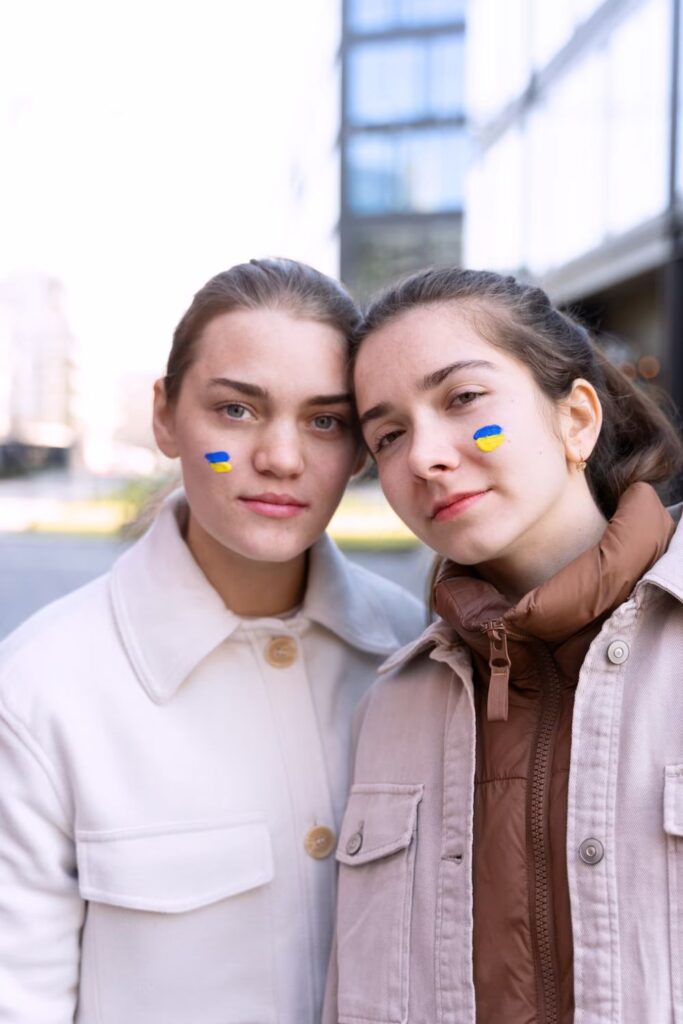
For many people, emotional attraction is just as meaningful as physical attraction.
I often encourage people to think about who they naturally connect with on a deeper level. Do you find yourself wanting emotional closeness with people regardless of gender? Have you developed strong emotional bonds that felt more intense than ordinary friendships?
Many bisexual individuals report feeling emotionally drawn to multiple genders, even before recognizing physical attraction. Looking back at your past relationships and connections can provide useful clues.
Also Visit: Why Do Guys Hug from Behind?
3. You are curious about same-sex experiences
Curiosity can sometimes be a sign worth exploring.
If you’ve found yourself wondering what it would be like to date, kiss, or build a relationship with someone of the same gender, that curiosity may be telling you something about your attractions.
Of course, curiosity alone doesn’t automatically mean you’re bisexual. However, when these thoughts appear repeatedly or feel exciting rather than purely hypothetical, they may deserve closer attention.
The goal isn’t to force an answer but to honestly explore your feelings without judgment.
4. Fluidity in your attractions
One thing many bisexual people experience is that attraction doesn’t always remain the same over time.
There may be periods when I feel more attracted to one gender and other periods when another gender captures my attention more strongly. This shifting pattern is often referred to as attraction fluidity.
Research on sexual orientation has shown that attraction can be more flexible for some individuals than for others. If your preferences seem to evolve over time, that doesn’t make your feelings any less real.
5. Interest in LGBTQ+ culture
Another sign can be feeling naturally drawn toward LGBTQ+ communities, stories, and experiences.
You may find yourself reading LGBTQ+ books, watching movies with queer characters, following creators who discuss sexuality, or attending pride-related events because their experiences feel relatable.
While enjoying LGBTQ+ content doesn’t automatically mean you’re bisexual, a strong personal connection to those stories may be worth reflecting on.
Sometimes people recognize themselves in these experiences long before they fully understand why.
6. Questioning traditional labels
Many people who identify as bisexual have spent time questioning labels like “straight” or “gay.”
I often hear people say that neither label feels completely accurate for their experiences. Instead, they feel somewhere in between or outside those traditional categories.
If you’ve struggled to fit yourself into a single box or feel that common labels don’t fully describe your attractions, that may be an important clue.
Remember that labels are tools meant to help you understand yourself, not rules that limit who you can be.
7. Romantic fantasies about different genders
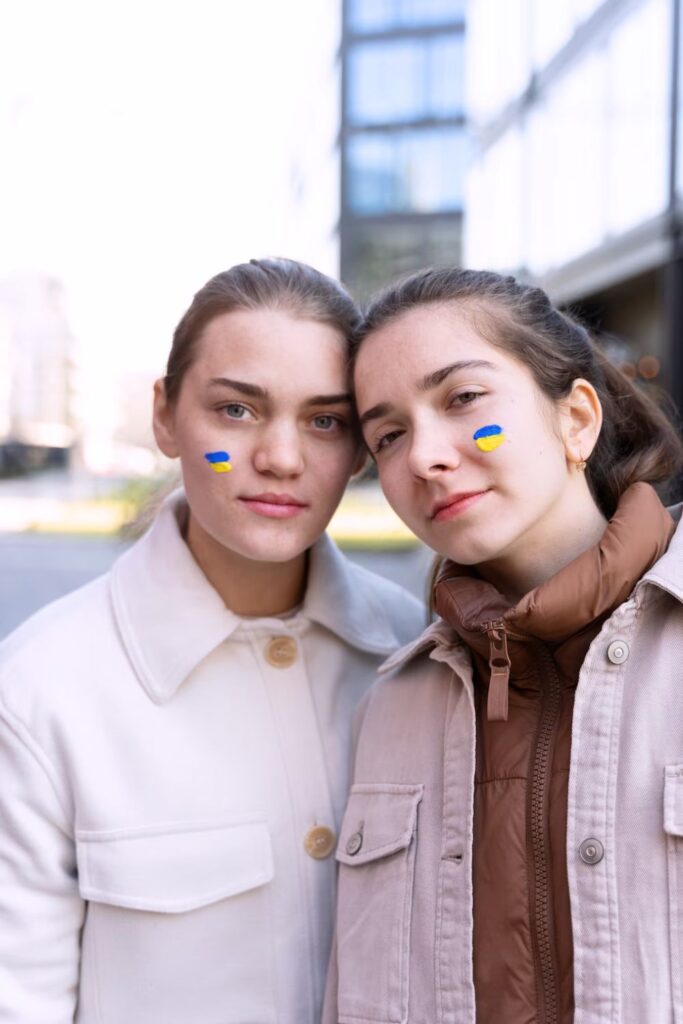
Our private thoughts can sometimes reveal feelings we haven’t fully acknowledged.
If you frequently imagine romantic relationships, dates, or intimate experiences with people of different genders, those fantasies may reflect genuine attraction.
Think about who appears in your daydreams and what kind of relationships you picture for yourself. These mental images often provide insight into desires that we may not openly discuss.
The more honest you are with yourself, the easier it becomes to understand what you’re truly feeling.
8. Relatability to bisexual characters
Representation can be powerful.
Many people discover aspects of their identity after connecting deeply with bisexual characters in movies, television shows, books, or online content.
If you consistently find yourself relating to bisexual characters, their struggles, relationships, or personal journeys, it may be because parts of their experiences mirror your own.
While this alone isn’t proof of bisexuality, it can be another piece of the puzzle when combined with other signs.
9. Experiences of sexual fluidity
Sexuality isn’t always fixed throughout life.
Some people notice changes in who they’re attracted to as they grow, gain new experiences, or learn more about themselves. These shifts don’t necessarily mean confusion; they can simply reflect personal growth.
If you’ve noticed your attractions evolving over the years, this may align with experiences commonly reported by bisexual individuals.
Looking at your entire history of attraction rather than focusing on a single moment can help you see the bigger picture.
10. A desire for open dialogue about your feelings
One sign that often gets overlooked is the desire to talk about your feelings with trusted people.
When I see someone actively seeking conversations about their sexuality, it often means they’re trying to better understand themselves.
You may feel drawn to discuss your attractions, ask questions, or hear stories from others who have gone through similar experiences. These conversations can provide clarity and reassurance during a time of self-discovery.
There’s nothing wrong with asking questions. In fact, open and honest dialogue is often one of the healthiest ways to explore your identity.
In Conclusion
If several of these signs feel familiar, it’s possible that bisexuality may be part of your identity. However, only you can decide which label feels right for you.
Understanding your sexuality doesn’t have to happen overnight. Give yourself permission to explore your feelings without pressure or judgment.
What matters most is being honest with yourself and allowing your experiences to guide you. Whether you identify as bisexual or discover another label that fits better, your feelings are valid, and your journey deserves respect.
You don’t need anyone’s approval to be yourself. The more you embrace your authentic feelings, the more confident and comfortable you’ll become in your own identity.