
Why Do Men Stare at Women? The Psychology Explained
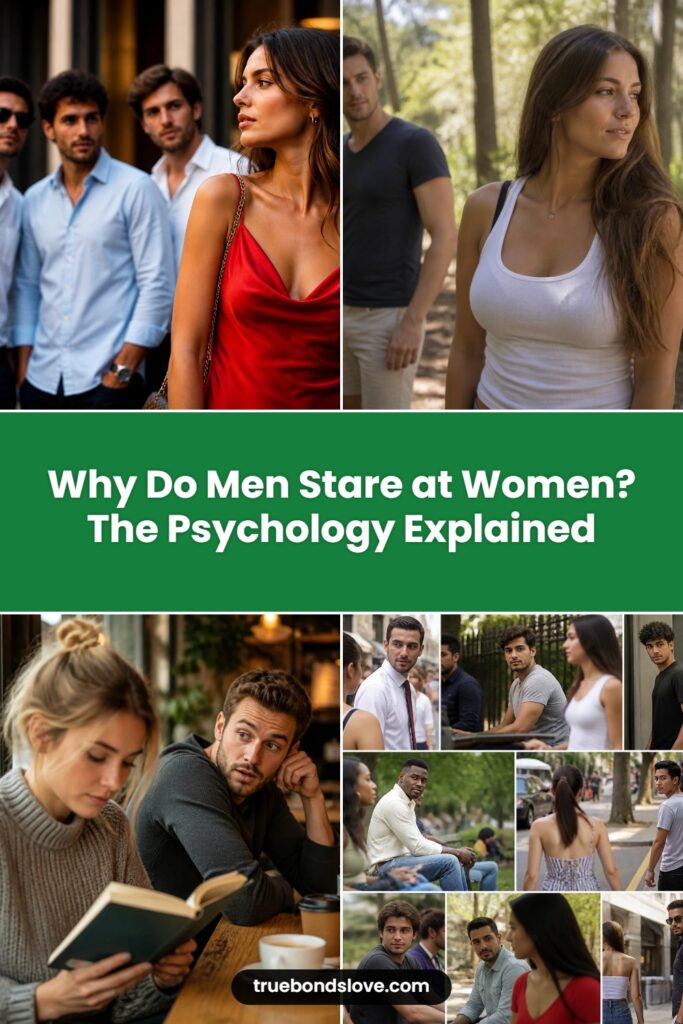
I’ve often wondered why men stare at women, and through my research and experience, I’ve uncovered many psychological reasons behind this behavior. Understanding these reasons helps me approach the topic with clarity and empathy. In this article, I explain 15 key psychological motivations that drive this common social phenomenon.
Key Takeaways
- Men stare at women for a variety of psychological reasons beyond attraction.
- Social and evolutionary factors deeply influence why men may fixate visually.
- Not all staring is conscious or intentional; sometimes it’s out of habit or curiosity.
- Context and culture play significant roles in how staring is perceived and enacted.
- Recognizing these reasons can help women feel more empowered in managing interactions.
1. Evolutionary Attraction Drives Visual Attention

In my experience, one of the fundamental reasons men stare at women is rooted in evolutionary biology. Men have evolved to visually assess potential mates, which naturally makes certain physical traits more attention-grabbing to them. I’ve learned that this primal instinct is often subconscious and serves reproductive purposes historically.
Fact: Visual attraction is wired into male biology as part of mate selection processes.
2. Curiosity Sparks Involuntary Staring

I’ve noticed that curiosity often leads men to stare without realizing it. When something about a woman catches their attention, whether her style or actions, it triggers natural human inquisitiveness. In my experience, this kind of staring is more about gathering information than expressing judgment.
Pro Tip: Recognize curiosity-driven staring and stay confident; it’s often unintentional.
3. Social Conditioning Shapes Staring Habits

I’ve found that social norms and cultural upbringing greatly influence how and when men stare at women. Men are often conditioned to notice and respond visually to women as part of social learning. I’ve seen that understanding these conditioning patterns helps me interpret staring with less personal offense.
Insight: I believe social conditioning plays a subtle but powerful role in male staring behavior.
4. Admiration Leads to Prolonged Gazes

I often observe that admiration causes men to hold their gaze longer than usual. When something about a woman’s confidence or charisma appeals to a man, it ignites genuine respect reflected through his eyes. In my experience, this type of staring is positive and should not be mistaken for objectification.
Pro Tip: If you sense admiration in a gaze, acknowledge it but set boundaries if uncomfortable.
5. Assessing Safety or Threat Unconsciously

I’ve learned that men sometimes stare as a way to assess safety or potential threat without conscious thought. This vigilance is part of an instinct to protect oneself and others, especially in unfamiliar environments. In these moments, the staring is more about risk assessment than personal interest.
Fact: Staring can be an unconscious safety check rooted in survival instincts.
6. Habitual Staring Without Malice

I’ve seen many men stare out of habit rather than intent, especially in public or crowded places. This automatic behavior may not reflect any particular feeling towards the woman but simply a repeated pattern of visual scanning. I recommend considering this before jumping to conclusions about intent.
Pro Tip: Give the benefit of the doubt; habitual staring may not carry harmful intent.
7. Media Influence Amplifies Visual Focus
In my experience, the way media portrays men’s gaze can reinforce and normalize staring behavior. Movies and advertisements often depict male attention on women as a sign of desire or approval. I’ve observed that this repeated exposure shapes real-life habits and expectations unconsciously.
Insight: I’ve noticed media often normalizes staring by glamorizing male visual attention.
8. Attraction to Unique Features Draws Attention
I always find that unique physical features like eye color, hairstyle, or fashion sense can captivate men and hold their gaze. These distinctive traits create visual interest beyond generic attraction, sparking a deeper or more focused look. I’ve realized this helps explain why men sometimes stare specifically at certain details.
Pro Tip: Highlight your unique features to positively influence how you are perceived visually.
9. Staring as a Form of Nonverbal Communication

I’ve recognized that staring can be a nonverbal way men try to connect or communicate interest. It serves as a silent signal that can indicate curiosity, desire, or sometimes hesitation. In my experience, interpreting this communication depends heavily on context and accompanying body language.
Fact: Staring often functions as nonverbal communication to express feelings.
10. Objectification Versus Genuine Interest Distinction
I always try to differentiate when staring crosses into objectification, which reduces a person to just appearance, versus genuine interest that respects full humanity. This awareness helps me avoid misinterpreting glances and also empowers one to set healthy social boundaries. I recommend paying attention to the overall energy and respect in the interaction to judge appropriately.
Pro Tip: Trust your feelings and set boundaries to protect yourself from objectifying stares.
FAQs ( Frequently Asked Questions )
Conclusion
Understanding why men stare at women has helped me see the behavior from many psychological angles. Recognizing the diversity of reasons empowers me to respond thoughtfully and maintain healthy social interactions. I hope these explanations help you feel more informed and confident too.