
22 DIY Bookends Ideas to Upgrade Your Shelves in 2026
I’ve always loved customizing my living spaces with practical yet stylish touches, and bookends are no exception. Over the years, I’ve experimented with many DIY bookend ideas to upgrade my shelves, making them both functional and a statement piece in my home. In this article, I’m excited to share 22 creative DIY bookends ideas that feel fresh for 2026.
Key Takeaways
- DIY bookends can be made from everyday household items to art supplies, offering limitless creativity.
- Mixing textures like metal, wood, and fabric adds visual interest and durability to your bookends.
- Personalized and thematic bookends can reflect your hobbies or favorite colors for a unique shelf upgrade.
- Balancing stability and style is crucial: always test your bookends with your heaviest books before settling.
- Many DIY bookends projects require minimal tools and materials, making them accessible for beginner crafters.
- 1. Concrete Block Bookends for a Modern Industrial Look
- 2. Wooden Geometric Shapes for a Natural Touch
- 3. Repurposed Vintage Toys as Whimsical Bookends
- 4. Painted Rock Bookends Inspired by Nature
- 5. Metal Pipe Bookends for an Urban Edge
- 6. Upcycled Vinyl Records for Retro Book Support
- 7. Leather Wrapped Blocks for a Sophisticated Finish
- 8. Succulent Planter Bookends to Combine Greenery and Function
- 9. DIY Concrete and Gold Leaf Combo for Glam Charm
- 10. Marble Slab Bookends for Classic Elegance
- 11. DIY Driftwood Bookends for Coastal Charm
- 12. Bookends Made from Recycled Tin Cans with Patterns
- 13. Bold Color Blocked Wood Bookends for Vibrancy
- 14. Minimalist Wireframe Bookends with Artistic Flair
- 15. Concrete with Embedded Objects for Personalized Twist
- 16. Books Stacked and Sealed as Artistic Bookends
- 17. Fabric-Wrapped Brick Bookends for a Cozy Feel
- 18. Painted Ceramic Pot Bookends with Floral Accents
- 19. Mosaic Tile Bookends for Colorful, Artistic Impact
- 20. Stacked Stone Bookends for Rustic, Earthy Vibes
- 21. Clay Sculpted Bookends in Custom Shapes
- 22. Upcycled Wooden Crate Sections as Chunky Bookends
- 23. DIY Bookends Featuring Inspirational Quotes
- 24. Metal Animal Silhouette Bookends with a Modern Twist
- 25. Transparent Acrylic Blocks for Sleek, Invisible Support
- 26. DIY Puzzle Piece Bookends for Playful Creativity
1.Concrete Block Bookends for a Modern Industrial Look
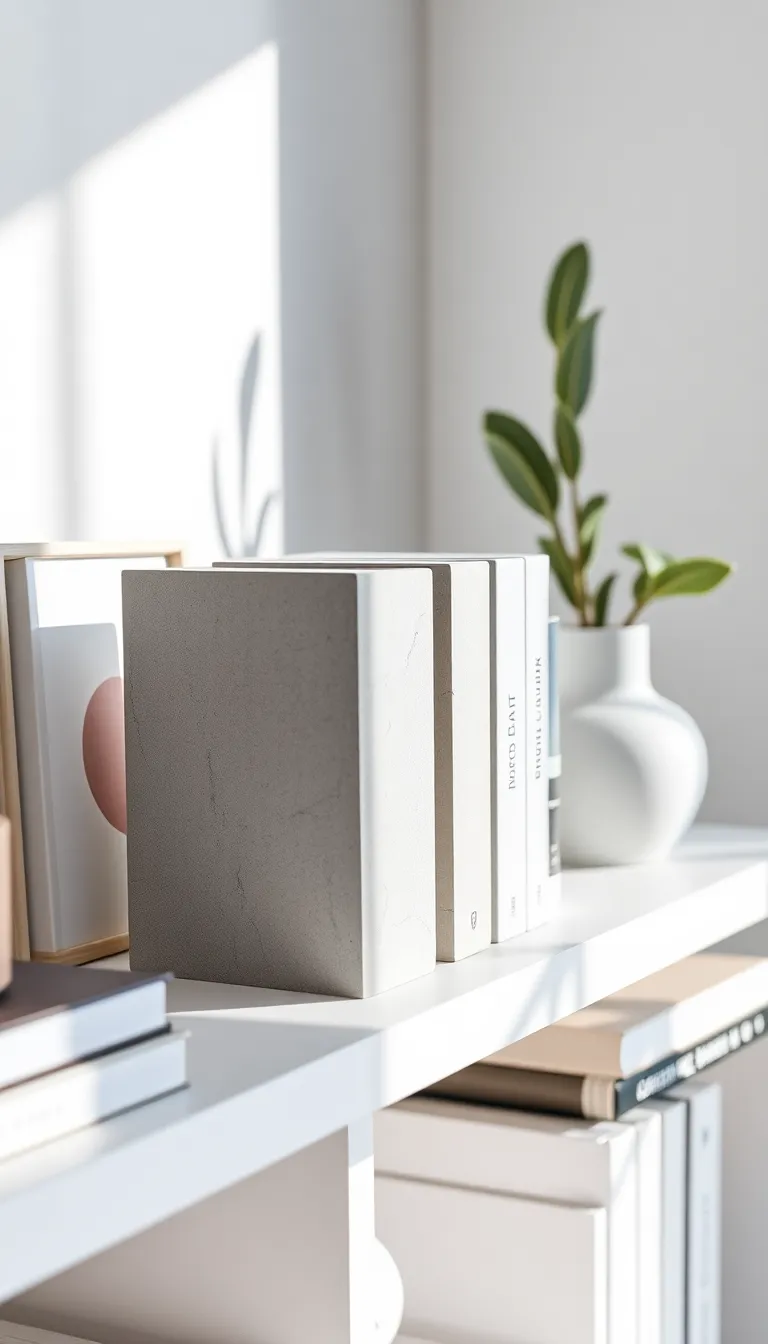
I adore the clean, minimalist vibe that concrete block bookends bring to my shelves. They’re surprisingly easy to make—just a small mold, quick set of cement, and some sanding to smooth edges. I always recommend sealing the concrete to prevent dust and help maintain their modern appeal.
Pro Tip: Seal concrete bookends with a clear acrylic spray to protect and enhance their surface.
2.Wooden Geometric Shapes for a Natural Touch
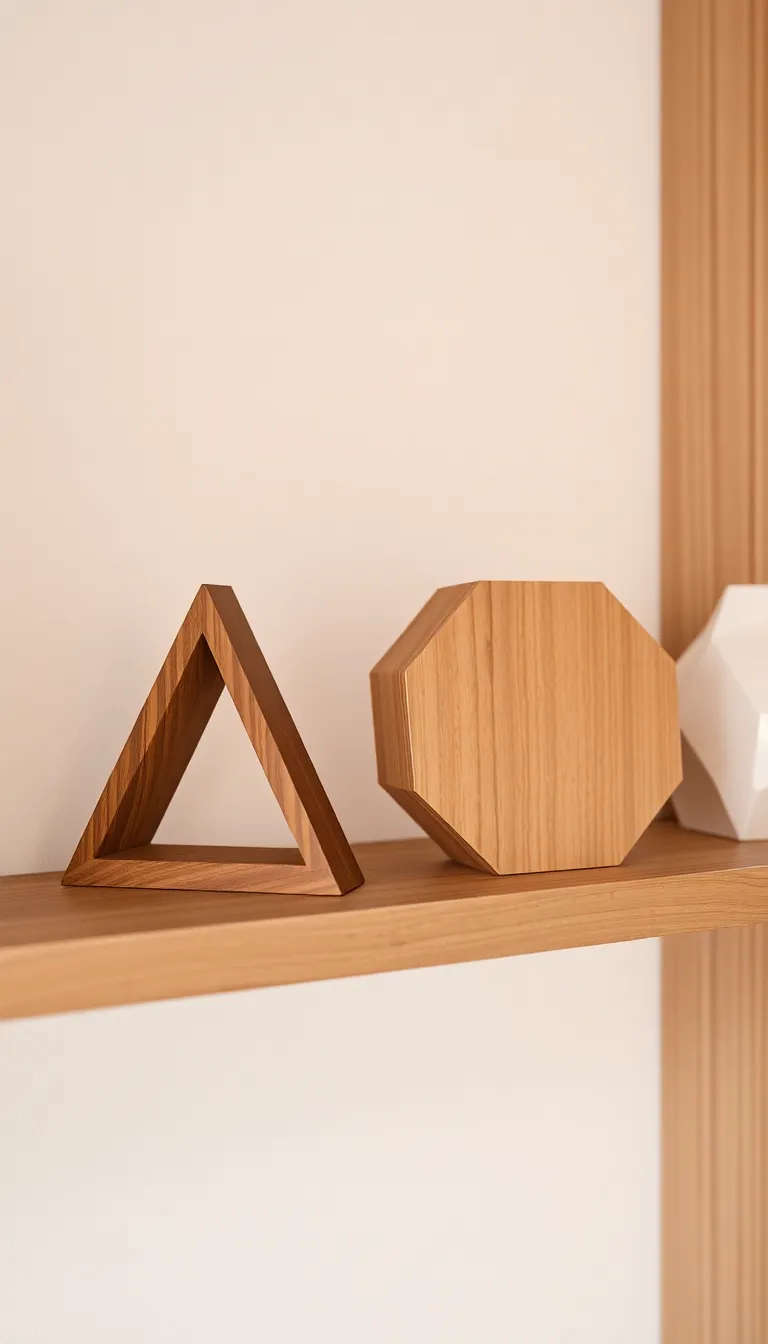
Working with wood is one of my favorite crafting activities, and shaping it into geometric bookends adds a sophisticated yet natural feel. I usually choose oak or walnut and sand the surfaces carefully. A simple stained finish creates a timeless look that complements almost any shelf setup.
Pro Tip: Use a sanding block with progressively finer grit for silky smooth wooden bookends.
3.Repurposed Vintage Toys as Whimsical Bookends
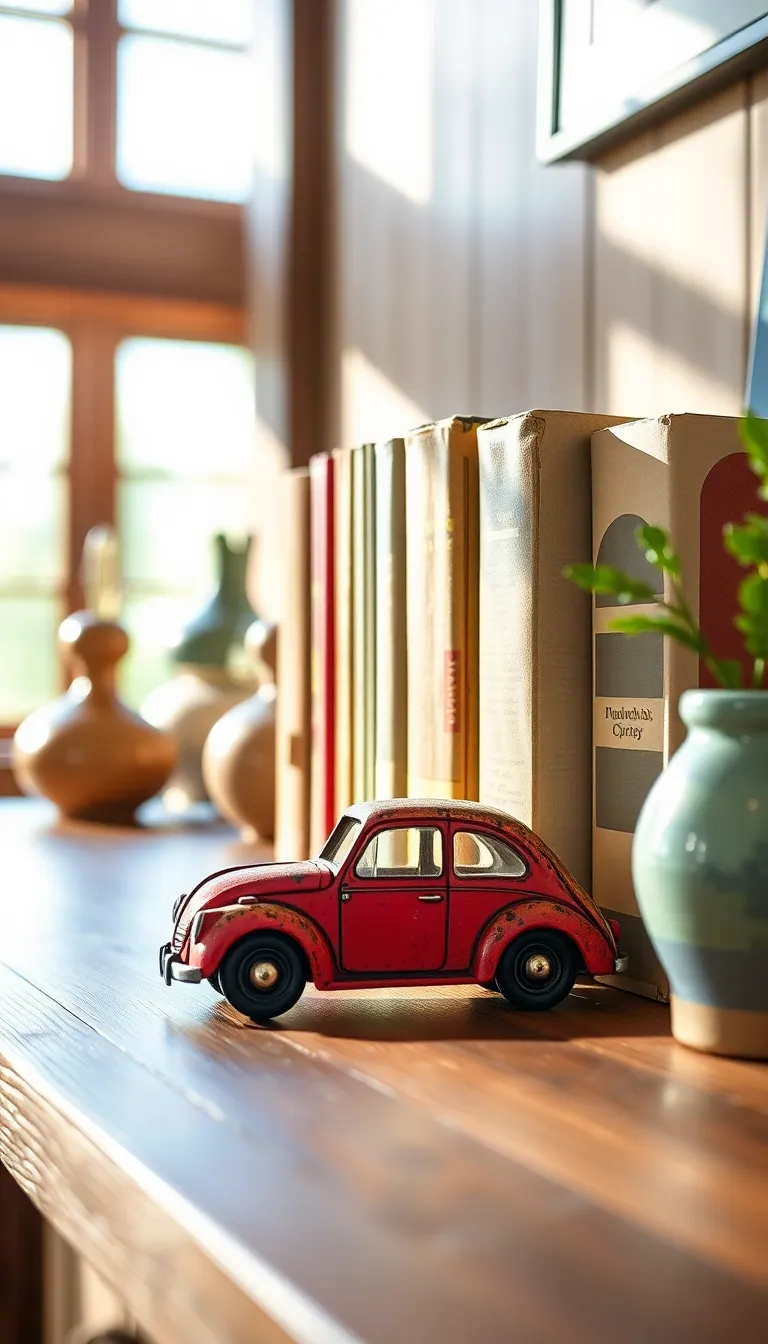
I love injecting personality into my shelves by turning vintage toys into bookends. Old metal cars or porcelain dolls make excellent conversation starters. I always make sure to securely fasten a heavy base underneath to keep them steady with heavier books.
Pro Tip: Attach a discreet metal or wooden base to vintage toys for added stability when used as bookends.
4.Painted Rock Bookends Inspired by Nature
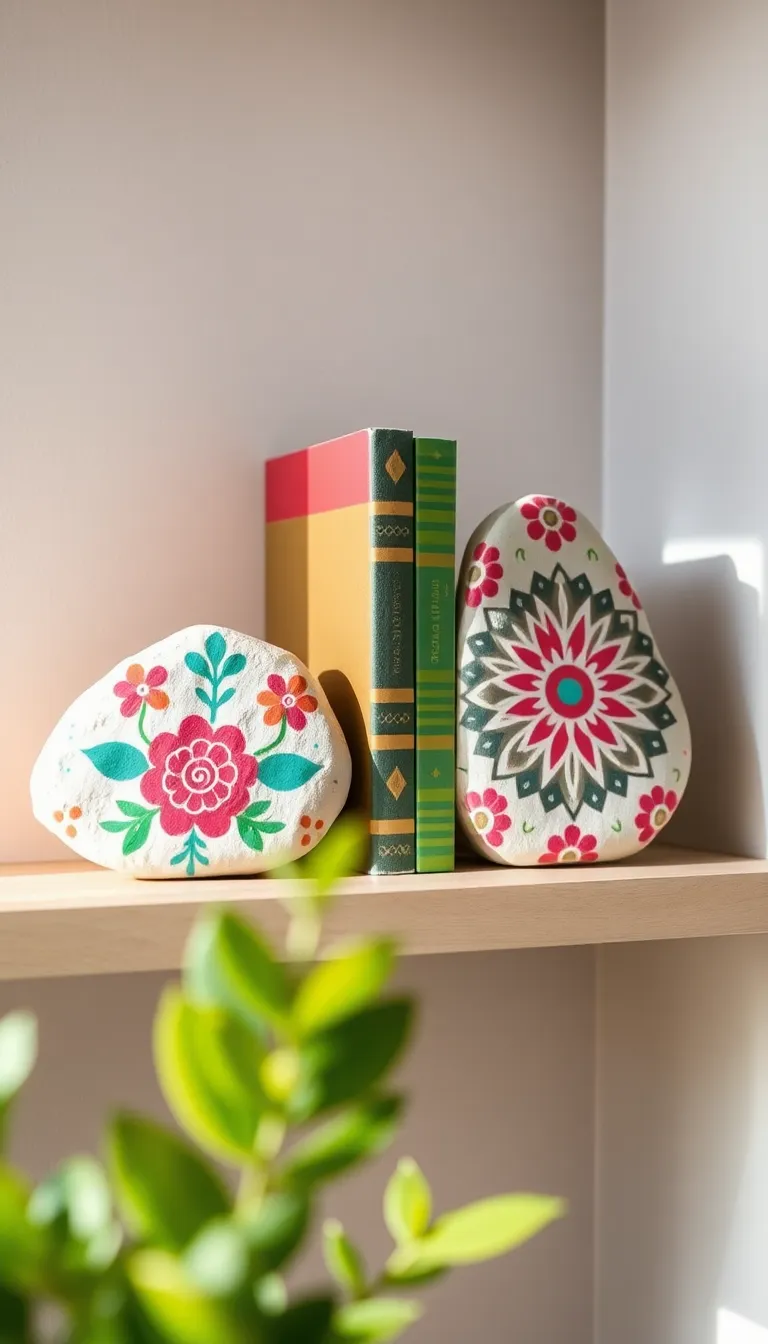
In my experience, painted rocks offer a budget-friendly and creative option for bookends. I select smooth, heavy stones and use acrylic paints to create bold or whimsical designs. Sealing them is essential, especially if I want the colors to pop for years.
Pro Tip: Apply multiple coats of clear varnish to protect paint on rock bookends from chipping.
5.Metal Pipe Bookends for an Urban Edge
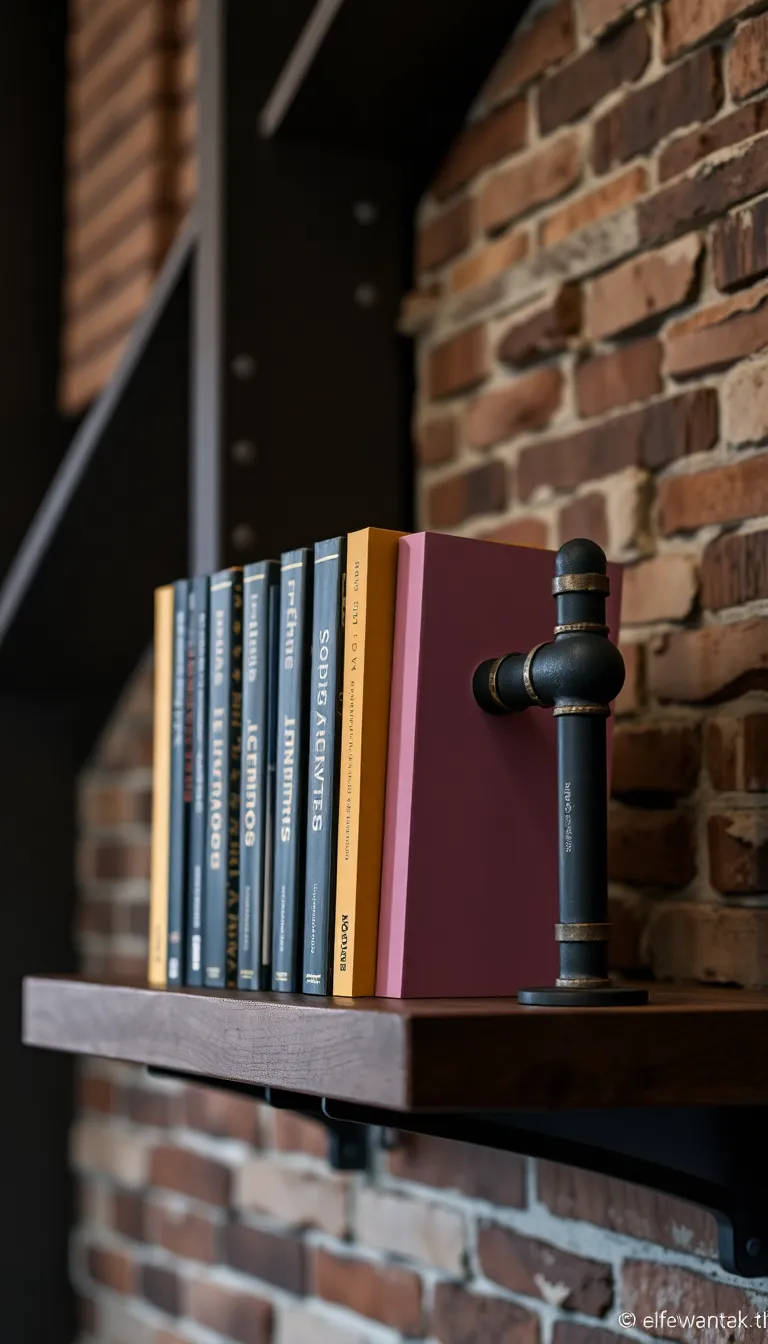
For a sturdy and edgy accent, metal pipe bookends are one of my go-to projects. I cut and weld pipes to form L-shaped supports, then spray-paint them matte black or copper for a bold finish. They’re perfect for achieving an industrial look without much fuss.
Fact: Metal pipe bookends combine durability and urban industrial style, popular in modern loft designs.
6.Upcycled Vinyl Records for Retro Book Support
I enjoy breathing new life into old vinyl records by turning them into curved bookends. By gently heating and bending them, you can create an eye-catching retro display. I usually secure them onto wooden bases for extra weight and balance.
Pro Tip: Heat vinyl records slowly and evenly to bend without cracking when making bookends.
7.Leather Wrapped Blocks for a Sophisticated Finish
One of my more recent favorites is wrapping small wooden blocks with leather strips to create chic bookends. The texture and warmth of leather add a luxurious feel, and I always use strong glue and finish edges meticulously for durability.
Pro Tip: Use leather conditioner to keep wrapped bookends supple and resistant to wear.
8.Succulent Planter Bookends to Combine Greenery and Function
I’ve found that integrating real plants into bookend design is both refreshing and practical. Succulents are ideal due to their low-maintenance nature. I use sturdy stone or ceramic containers that double as bookends, carefully weighing them to withstand the book pressure.
Insight: I find that living plant bookends bring vitality to any shelf while organizing books effectively.
9.DIY Concrete and Gold Leaf Combo for Glam Charm
I’ve experimented by combining industrial concrete with hints of gold leaf for a striking contrast in bookends. Applying gold leaf on certain edges or surfaces adds a luxe element to rustic concrete. It’s a great way to elevate an otherwise simple material.
Pro Tip: Use a soft brush and adhesive for precise gold leaf application on DIY bookends.
10.Marble Slab Bookends for Classic Elegance
Marble slabs are a timeless material that I often source from leftover tiles or slabs. Their natural weight and veined beauty keep books upright while adding an upscale vibe. I usually add felt pads underneath to protect my wooden shelves.
Pro Tip: Add felt pads to marble bookends to avoid scratching wooden or delicate shelves.
11.DIY Driftwood Bookends for Coastal Charm
Collecting driftwood pieces and transforming them into bookends is one of my favorite beach-inspired crafts. The natural curves and textures provide a serene vibe. I always sand rough edges gently and apply a wood sealer to preserve the wood.
Insight: I feel driftwood bookends bring a peaceful, organic energy reminiscent of coastal escapes to any shelf.
12.Bookends Made from Recycled Tin Cans with Patterns
I’ve found that simple tin cans can become unique bookends with some paint and patterned paper. After cleaning and reinforcing the cans, I line the insides with cardstock patterns for personalized charm. These are light but work best for smaller books or paperbacks.
Pro Tip: Reinforce recycled tin can bookends by filling them partly with sand or small stones for weight.
13.Bold Color Blocked Wood Bookends for Vibrancy
In my crafting, color blocking wooden blocks has been a fun way to brighten shelves. I use painter’s tape to create sharp edges and block patterns with matte paint. It’s important to seal afterward for a smooth, durable finish.
Pro Tip: Use painter’s tape to achieve crisp lines when color blocking wood bookends.
14.Minimalist Wireframe Bookends with Artistic Flair
I’ve experimented with bending thick wire into minimalist but sturdy frames to support books. Powder coating the wire not only prevents rust but also adds a polished finish. These work especially in open, airy shelf designs for a modern artistic touch.
Fact: Wireframe bookends are a lightweight, artistic alternative ideal for minimalistic and open shelving.
15.Concrete with Embedded Objects for Personalized Twist
Adding small embedded objects like shells, coins, or crystals inside concrete bookends has allowed me to create custom keepsakes. I place the objects in the mold before pouring concrete. It’s a unique way to capture memories while upgrading shelves.
Pro Tip: Embed small objects in wet concrete carefully to avoid shifting and ensure they are fully encased.
16.Books Stacked and Sealed as Artistic Bookends
I sometimes use old hardcover books stacked and glued together to create bookends with literary charm. I coat them with glossy sealant for durability. This method is ideal when you want the bookend itself to look like a sculptural object.
Insight: I love that stacked book bookends double as a homage to literature and a functional shelf upgrade.
17.Fabric-Wrapped Brick Bookends for a Cozy Feel
Wrapping plain bricks in beautiful fabric has transformed them into cozy, tactile bookends I use often. I recommend choosing thick fabric with textures like velvet or tweed and using strong adhesive spray for durability.
Pro Tip: Use spray adhesive to ensure fabric stays securely wrapped around brick bookends.
18.Painted Ceramic Pot Bookends with Floral Accents
Repurposing ceramic pots and painting floral motifs on them adds a touch of charm I always appreciate. I fill the pots with heavy stones to keep them grounded and prevent tipping. It’s an easy craft that brightens shelves with color and texture.
Pro Tip: Weight ceramic pot bookends with stones or sand to avoid tipping with heavy books.
19.Mosaic Tile Bookends for Colorful, Artistic Impact
Creating mosaic tile-covered blocks has been a rewarding way to make visually stunning bookends. I fix tiles onto sturdy wooden blocks with grout, which allows me to combine colors and patterns in a personal way. Sealing the grout prevents dust build-up.
Pro Tip: Seal grout on mosaic tile bookends to keep tiles bright and grout clean.
20.Stacked Stone Bookends for Rustic, Earthy Vibes
I’ve gathered flat stones from nature and stacked them carefully to create naturally weighted bookends. I use clear-drying craft glue between stones for stability. These give an organic, soothing presence to any bookshelf.
Fact: Stacked stone bookends combine natural aesthetics with effective weight for book support.
21.Clay Sculpted Bookends in Custom Shapes
Shaping air-dry clay into whimsical forms has allowed me to customize my bookends entirely. After drying, I paint and seal them for durability. This is a fantastic craft for those who want truly unique and handmade designs.
Pro Tip: Always seal air-dry clay bookends with a non-yellowing varnish to protect the surface.
22.Upcycled Wooden Crate Sections as Chunky Bookends
Cutting sections from old wooden crates and sanding them smooth is a method I’ve used to create robust, chunky bookends with a reclaimed-industrial vibe. I sometimes paint or stencil on words for extra character.
Insight: I believe reclaimed wood bookends add history and warmth that new materials sometimes lack.
23.DIY Bookends Featuring Inspirational Quotes
Incorporating inspirational quotes on bookends has been an uplifting twist I enjoy adding to my shelves. I use vinyl lettering or hand-paint the messages on blocks, pairing them with a smooth finish that lasts.
Pro Tip: Use transfer tape for precise application of vinyl quotes on bookend surfaces.
24.Metal Animal Silhouette Bookends with a Modern Twist
Cutting or purchasing metal animal silhouettes and affixing them to solid bases has been a sleek, modern bookend project I recommend. I often powder coat them in monochrome or metallic colors for style and durability.
Fact: Metal silhouette bookends offer artistic flair combined with excellent longevity.
25.Transparent Acrylic Blocks for Sleek, Invisible Support
I use acrylic blocks when a clean, subtle look is needed to keep shelves airy. These can be cut to size at home or purchased pre-made. They work well with all types of books, especially colorful editions that stand out against them.
Pro Tip: Polish edges of acrylic bookends for a crystal-clear, professional finish.
26.DIY Puzzle Piece Bookends for Playful Creativity
I’ve found that gluing large puzzle pieces onto wooden or concrete bases creates playful bookends perfect for kids’ rooms or creative spaces. Painting the pieces with primary colors adds energy and fun. Stability is key, so I use heavy bases.
Pro Tip: Use a heavy base to secure puzzle piece bookends to prevent tipping when supporting books.
Conclusion
I’ve found that upgrading shelves with DIY bookends is a rewarding way to blend creativity and functionality. Whether you prefer natural textures, industrial materials, or colorful accents, there’s always a design that fits your style. I encourage you to try these ideas to transform your shelves into inspiring displays in 2026.