18 Long Distance Relationship Red Flags That Signal Trouble
I've been through long distance relationships and I've learned that some early signs can really signal trouble ahead. Noticing red flags can save you emotional stress and help you make wise decisions. In this article, I've compiled 18 long distance relationship red flags that I believe you shouldn’t ignore.
Key Takeaways
- Communication breakdown is one of the biggest red flags I watch for.
- Lack of effort to plan visits signals a deeper disconnect.
- Constant secrecy and vagueness almost always hide something troubling.
- Jealousy and distrust can escalate when not addressed early.
- Different relationship expectations can lead to frustration if unspoken.
1. Consistent Communication Drops

I've noticed that when my partner suddenly stops replying or is inconsistent in communication, it creates anxiety and doubt. Communication is the lifeline of a long distance relationship, so drops can be a subtle warning. When this happens repeatedly, I take it seriously as it usually points to disengagement.
Pro Tip: Prioritize establishing a reliable communication schedule early on to avoid misunderstandings.
2. Avoidance of Video Calls

In my experience, avoiding video calls can be a red flag because it blocks out genuine connection. When I sensed my partner was reluctant to video chat, it made me question sincerity. Video calls add a layer of transparency and help me feel closer, so reluctance often feels like a barrier I can’t ignore.
Insight: I believe video chats show commitment and openness in long distance relationships.
3. Unwillingness to Share Details
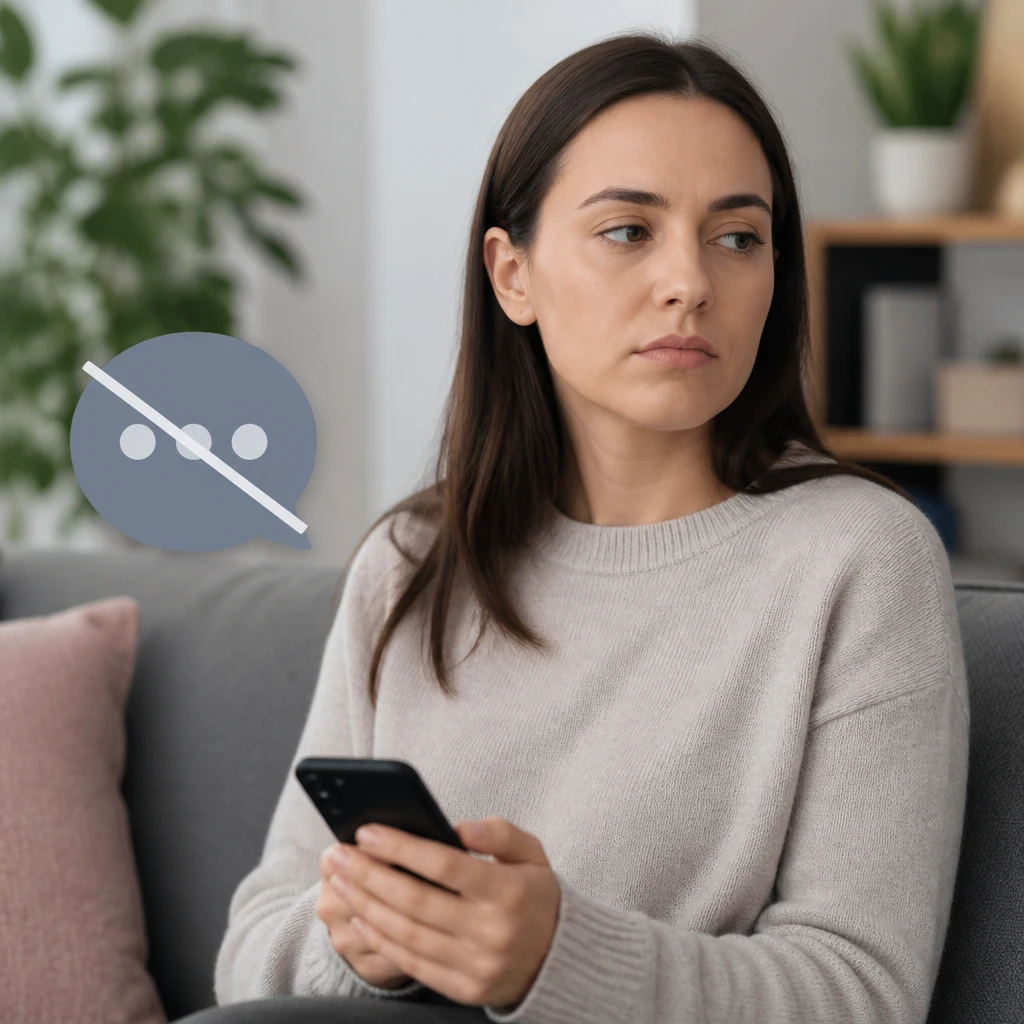
I always interpret withholding daily life details as a warning sign that something’s off. When my partner doesn’t share what’s going on or intentionally changes the subject, it feels like emotional distance growing. Transparency is key for me, so this silence signals trouble for the health of our relationship.
Fact: Studies show openness plays a crucial role in maintaining trust in long distance relationships.
4. No Effort to Plan Visits

From experience, when one person stops initiating or showing interest in visiting, it’s a strong warning sign. Visits keep the bond alive and show willingness to sustain the relationship. When plans never come together or are always postponed, I become concerned about our future.
Pro Tip: Schedule trips well in advance and keep communication open about visit intentions.
5. Excuses for Missing Calls
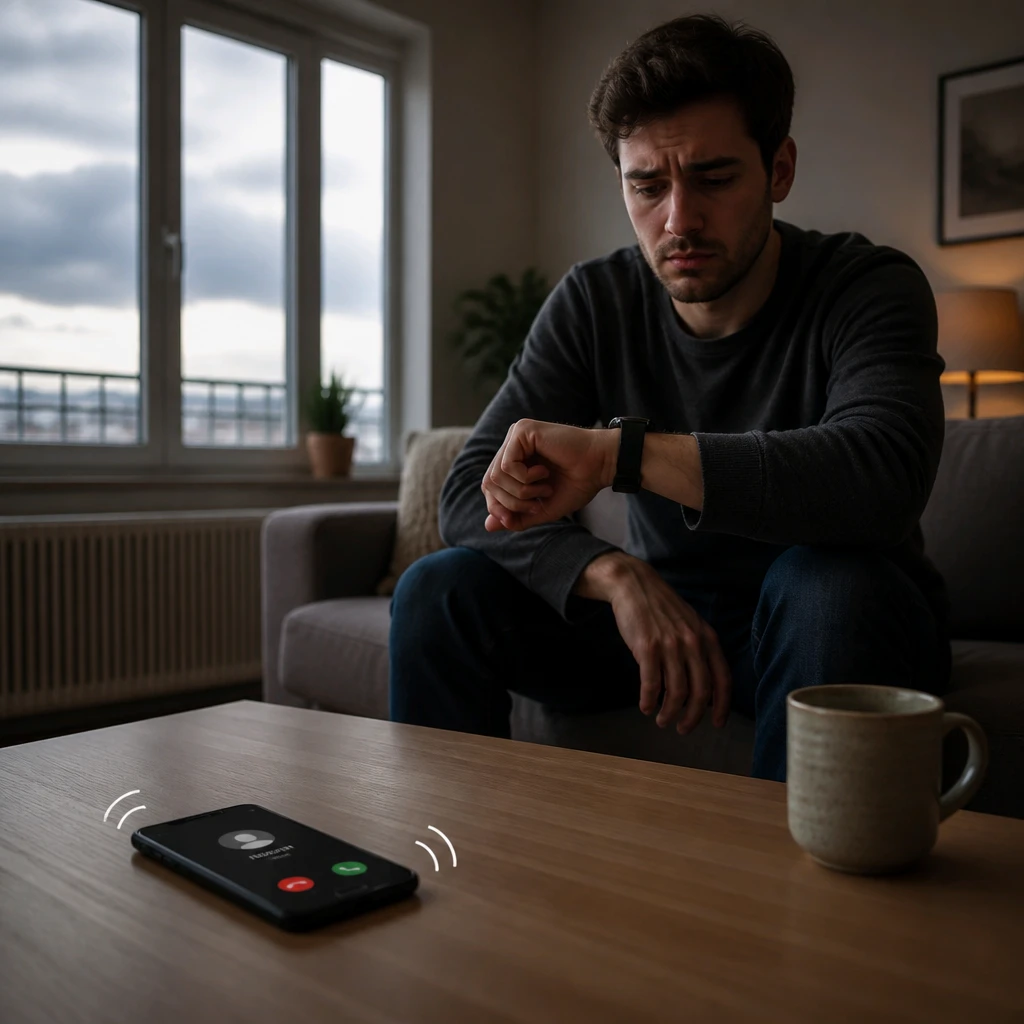
I've learned that consistent excuses about why calls are missed usually hide a deeper problem. When these excuses multiply, it makes me question honesty and priorities. I see frequent missed calls without valid reasons as a red flag signaling waning interest.
Insight: I think reliable calling times strengthen trust and reduce anxiety in distance relationships.
6. Lack of Emotional Availability

I always find emotional detachment to be troubling because it prevents connection even if we're physically apart. When my partner shuts down during serious talks or refuses to share feelings, I sense a growing barrier. Emotional availability is something I need to feel close despite the distance.
Pro Tip: Encourage open conversations about feelings even when it feels uncomfortable.
7. Double Lives or Secrecy
In my experience, any sign of secrecy such as hidden social media activity or unexplained absences is a big red flag. When I discovered my partner hiding aspects of their life, it shattered my trust. I always insist on full transparency because secrets can erode relationships rapidly.
Fact: Secrecy often correlates with emotional cheating or lack of commitment in studies.
8. Unbalanced Effort
I feel frustrated when all the work to keep the relationship alive falls on me. When my partner rarely initiates conversations or plans, I question their investment. Maintaining balance in effort keeps me motivated and reassured about our future.
Insight: I believe equal effort is essential to prevent resentment in long distance love.
9. Avoiding Future Conversations

When future plans or talks about our relationship’s direction are avoided, I take it as a warning. I need clarity to feel secure, so dodging these important discussions worries me. Avoidance often means uncertainty or unwillingness to commit long term.
Pro Tip: Set aside calm moments to openly discuss your hopes and expectations for the future.
10. Jealousy or Controlling Behavior
I’ve noticed jealousy escalating quickly when insecurity isn’t addressed early. If my partner monitors who I talk to or demands constant updates, it feels suffocating. Trust is fundamental, and controlling tendencies are a serious red flag I don’t ignore.
Fact: Research links controlling behavior with higher stress and lower satisfaction in relationships.
11. Lack of Support During Hard Times
When I’m struggling, I expect my partner to provide emotional support even from afar. If I feel alone or ignored during difficult moments, it signals a lack of care. Emotional backing during tough phases has been vital for me in assessing relationship strength.
Insight: I trust partners who remain emotionally present when life gets hard.
12. Disrespecting Boundaries

One red flag I never overlook is when my partner disrespects set boundaries, like privacy or time limits. Boundaries protect my well-being, and ignoring them feels like disregard for my needs. Healthy relationships depend on mutual respect, which I demand at every stage.
Pro Tip: Clearly define and communicate your boundaries early and enforce them consistently.
13. Excessive Flakiness
Flakiness, like last-minute cancellations or broken promises, makes me question reliability. If my partner frequently changes plans, I feel undervalued and uncertain about the relationship's priority. Consistency matters deeply to me as it builds trust over distance.
Fact: Reliability has been shown to predict satisfaction and stability in relationships.
14. Refusing to Introduce You to Friends or Family
When my partner avoids introducing me to their close circle, it makes me suspect their commitment. I interpret this as a distance not only physical but social and emotional. Inclusion in their life is something I value as an important step toward seriousness.
Insight: I consider social introductions a key milestone to gauge relationship seriousness.
15. Ignoring Your Needs

I find it alarming when my needs—emotional or practical—are consistently overlooked or dismissed. A relationship should be reciprocal, and ignoring me means losing balance and respect. When this happens, I reassess if the relationship is healthy enough to continue.
Pro Tip: Voice your needs clearly and watch for consistent effort to meet them.
16. Constant Blaming or Criticism
I’ve seen relationships suffer when one partner constantly blames or criticizes the other, especially over minor things. Criticism without balance erodes self-esteem and connection. I always avoid relationships where negativity outweighs positive support.
Fact: Negative communication patterns are linked with lower relationship satisfaction and breakdown.
17. Lack of Trust
Trust isn’t optional for me; without it, the foundation feels shaky no matter how strong other factors are. I've experienced that when trust erodes, suspicion and misunderstandings grow rapidly. I always look for signs of honesty and effort to build trust continually.
Insight: I believe trust is the anchor that keeps long distance relationships afloat.
18. Different Relationship Expectations

I’ve realized mismatched expectations about commitment or future plans cause many problems. When we don’t discuss goals or timelines, conflicts build silently over time. I always push for clear conversations to ensure we’re aligned on what we want.
Pro Tip: Have regular talks about relationship expectations to avoid future misunderstandings.
FAQs ( Frequently Asked Questions )
Conclusion
From my experience, spotting these red flags early helped me avoid unnecessary heartache. I encourage you to trust your instincts and communicate openly when something feels off. Remember, recognizing trouble signs is the first step to either fixing issues or moving on wisely.