
17 Warning Signs How to Tell If Your Man Is Hiding Something:
I've learned over time that subtle changes in behavior often hint when a man is hiding something. In my experience, recognizing these signs early can make a big difference in how you handle your relationship. I always pay close attention to these warning signs to protect my emotional wellbeing.
Key Takeaways
- Sudden changes in communication often indicate secrecy.
- Avoidance of personal questions can reveal hidden issues.
- Unexplained changes in routines are a common warning sign.
- Excessive defensiveness may suggest guilt or concealment.
- Trusting your intuition often uncovers hidden truths.
1. Noticeable Changes in Communication Patterns

I always watch for any sudden shifts in how my man talks to me because communication is key in any relationship. If he becomes distant or stops sharing details he used to, it's often a red flag for me. I try to address it calmly to understand what's going on rather than jumping to conclusions.
Pro Tip: Start a gentle conversation about your observations to open dialogue.
2. Avoidance of Personal Questions

When I ask straightforward personal questions and he dodges or changes the subject, I immediately take note. I've learned that not answering or answering vaguely often means he has something to hide. In my experience, gently pressing without seeming accusatory helps uncover the truth.
Pro Tip: Use open-ended questions that encourage honest sharing without pressure.
3. Unexplained Changes in Routine

I pay attention to sudden changes in his daily habits, like new work hours or different phone use. These shifts can signal he's hiding activities or stress he's not sharing with me. I've found that noting these inconsistencies helps me ask better questions when the time is right.
Fact: Routine changes often precede revelations about hidden issues.
4. Sudden Excessive Defensiveness

I notice when my man becomes defensive over harmless questions or observations, and that always raises a red flag for me. Defensiveness can be a subconscious way of protecting secrets or psychological discomfort. I try to stay calm and non-threatening to help reduce his defensiveness.
Insight: I’ve seen defensiveness often mask deeper fears of exposure.
5. Overly Private With His Phone
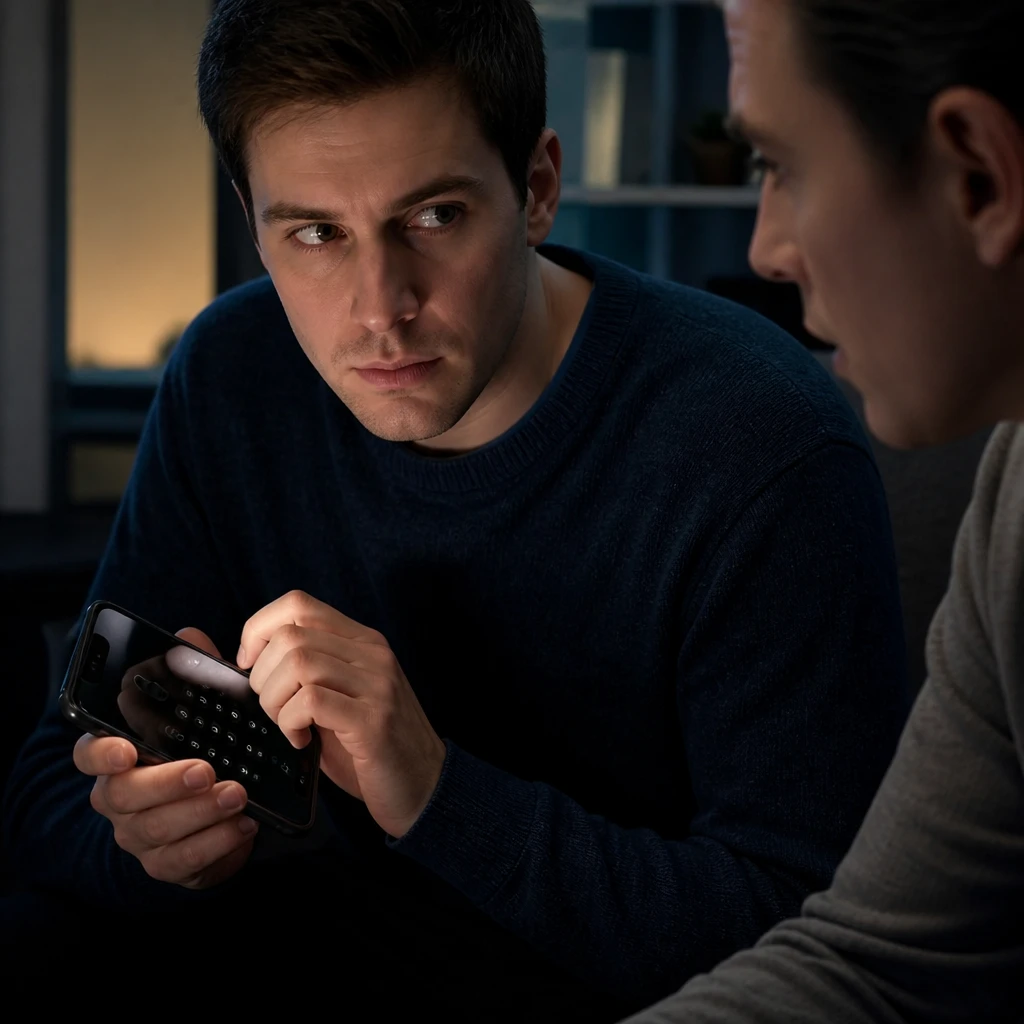
If he suddenly becomes protective of his phone or changes passwords, I get suspicious because phones often hold important secrets. I respect privacy, but in my experience, excessive secrecy is usually not a good sign. I recommend observing how this behavior develops rather than immediately confronting him.
Pro Tip: Pay attention to changes in his device security as subtle warning signs.
6. Unexplained Financial Changes

I've learned that unexpected expenses or secretive spending often mean my man is hiding something valuable to notice. I usually keep an informal eye on joint finances to catch anomalies early. Asking for transparency about money helps me understand if there’s something he's trying to cover up.
Fact: Financial secrecy often correlates with hidden activities.
7. Inconsistent Stories and Details
I always listen carefully for inconsistencies in his stories because conflicting details often point to deception. When I catch one, I ask casually for clarification to see how he responds before assuming the worst. I’ve found clarifying questions can sometimes reveal hidden truths without confrontation.
Pro Tip: Spot inconsistencies by comparing stories over multiple conversations.
8. Avoiding Eye Contact During Conversations
I notice when his gaze frequently drops or shifts away during discussions about sensitive topics, as this often signals discomfort or dishonesty. I've read that avoiding eye contact can be a subconscious protective mechanism against revealing too much. In my experience, a gentle approach can encourage more open interaction.
Insight: I observe eye contact as a window into true feelings and transparency.
9. Sudden Interest in Privacy

If my man suddenly insists on more privacy, like locking doors or closing curtains at unusual times, I become alert to the possibility of concealment. While everyone deserves privacy, dramatic changes often indicate he’s hiding something. I always try to balance giving space with gently asking questions.
Pro Tip: Encourage open sharing while respecting need for personal space.
10. Changes in Social Behavior
I watch for changes like suddenly avoiding friends, missing gatherings, or acting differently around his social circle since these can mask hidden issues. My experience tells me social withdrawal or evasiveness often connects to secrets or internal conflict. Checking in with him about his feelings helps me understand the root causes.
Fact: Social withdrawal often reflects emotional or situational concealment.
11. Picking Fights Over Small Issues
When I see him pick fights or escalate small issues suddenly, I recognize it often as a distraction or defense mechanism. I’ve noticed this tactic can divert attention from what he wants to keep secret. I try not to respond emotionally and instead steer conversations to the real topics calmly.
Insight: I’ve learned emotional deflection often covers up hidden facts.
12. Increased Use of Humor to Avoid Serious Topics

I observe when he uses jokes or sarcasm disproportionately to skirt around serious conversations, which to me signals avoidance. Humor can be a shield to keep me from probing too deeply. I've realized it helps to acknowledge the humor but gently bring the focus back to the important matters.
Pro Tip: Validate humor but steer the talk back to sincerity when needed.
13. Secretive Behavior With Technology
I get cautious when he quickly closes screens or deletes messages when I enter the room, which signals hiding digital secrets. Technology often holds evidence of what someone might not want to share. In my experience, I respect privacy but remain observant of such behaviors over time.
Fact: Secretive tech behavior frequently signals hidden conversations.
14. Lack of Future Planning Together
I notice when he avoids discussions about our future, like trips or life goals, which makes me suspect he’s withholding important information. Planning ahead usually indicates commitment, so reluctance often raises concerns about honesty. I find that gently asking him about his hopes and fears encourages openness over time.
Insight: I equate avoidance of future talks with possible hidden doubts.
15. Unexplained Guilt or Nervousness

I detect guilt or nervousness when he seems unusually fidgety or apologetic without obvious reason, which suggests secrecy. These physical cues can be unconscious but very telling about hidden truths. I always try to create a safe space for him to open up without fear of judgment.
Pro Tip: Encourage openness by responding with empathy to signs of nervousness.
16. Sudden Changes in Appearance or Grooming
When he suddenly changes how he dresses or grooms himself without explanation, I take notice as it may be related to hiding something or impressing someone else. I’ve experienced that sudden grooming shifts can coincide with secrecy or new influences. I try to ask gently about these changes to understand their cause.
Fact: Appearance changes can coincide with secretive behavior or new influences.
17. Reluctance to Share Passwords or Access
I notice reluctance when he refuses to share passwords or access to devices, which often feels like a barrier to honesty. While I respect personal boundaries, in my experience, total secrecy with shared accounts can be a warning sign. I believe transparency in this area supports trust and reduces suspicion.
Pro Tip: Encourage shared trust through mutually agreed access to important accounts.
FAQs ( Frequently Asked Questions )
Conclusion
I’ve learned that paying attention to these warning signs helps me protect my emotional health and make informed decisions. Trust and communication are vital, but when certain behaviors appear, I stay observant. Ultimately, following my intuition guides me toward clarity and peace.