
7 Shocking Facts About Emotional Infidelity Among Married Men
In my experience, emotional infidelity among married men is often ignored because it doesn’t look as obvious as physical cheating. I’ve seen it slowly damage trust, emotional connection, and long-term stability in marriages.
It usually starts with small emotional sharing outside the relationship and gradually becomes a deeper attachment. Many couples only realize the damage when emotional distance is already strong.
Emotional infidelity is more common than people assume and often grows silently without clear warning. Recovery is possible, but only when both partners accept the issue and work on rebuilding emotional safety together.
Key Takeaways
- Emotional infidelity often starts as innocent friendship or emotional sharing
- It can damage trust and intimacy as deeply as physical cheating
- It develops slowly, making it difficult to detect early
- It often signals unmet emotional needs in the relationship
- Recovery is possible with honesty, communication, and consistency
- Warning signs include secrecy, emotional distance, and defensiveness
- Healing requires time, effort, and mutual commitment
7 Shocking Facts About Emotional Infidelity Among Married Men
Fact 1: Emotional infidelity is more common than most people think

From what I’ve observed, emotional cheating happens in many marriages but is rarely discussed openly. It often develops when emotional needs are not fully met within the relationship. Many men don’t realize they are crossing emotional boundaries until attachment is already formed.
Insight: Emotional dissatisfaction is one of the strongest triggers of outside emotional connection.
Fact 2: It usually starts in a very innocent way

In my experience, emotional infidelity begins with casual conversations or friendship. Over time, personal sharing creates emotional closeness that replaces marital connection. This shift is usually gradual and unnoticed.
Fact: Most emotional affairs begin without any intention of cheating.
Fact 3: Emotional cheating can hurt as much as physical cheating

I’ve seen emotional betrayal cause deep pain because it creates a feeling of emotional replacement. Even without physical contact, the emotional bond feels like a violation. This often leads to long-term insecurity in relationships.
Insight: Emotional betrayal often feels like losing emotional exclusivity in the relationship.
Also Visit: How To Catch A Cheater That Deletes Everything
Fact 4: It is harder to detect than physical cheating

From my experience, emotional cheating is hidden in normal communication patterns. There are no physical signs, so it often goes unnoticed for a long time. It usually becomes visible only when emotional distance increases.
Fact: Emotional affairs survive longer because they lack visible evidence.
Fact 5: Emotional affairs can turn into physical infidelity

I’ve noticed that strong emotional bonds outside marriage can slowly lead to physical involvement. Once emotional attachment becomes deep, boundaries weaken naturally. This progression is more common than people expect.
Insight: Emotional closeness often lowers resistance to physical temptation.
Fact 6: It usually reflects deeper relationship problems

From my observation, emotional infidelity is often a sign of unmet emotional needs in marriage. It can reflect lack of communication, appreciation, or emotional support. Ignoring these issues can make emotional distance worse.
Fact: Emotional cheating often points to existing relationship gaps.
Fact 7: Recovery is possible with the right effort

In my experience, couples can recover with ease if both are willing to rebuild trust. Honest communication and emotional transparency are essential for healing. Professional support can also help strengthen the process.
Insight: Consistent behavior change is more important than verbal apologies in recovery.
Can a Marriage Survive Emotional Infidelity?
From what I’ve seen, a marriage can survive emotional infidelity if both partners are committed to fixing the relationship. It requires honesty, accountability, and willingness to rebuild emotional connection. Without addressing root issues, the problem may repeat.
Fact: Relationship survival depends more on effort than the type of betrayal.
What Are The Consequences of Emotional Cheating?
1. Breaking trust

From my experience, emotional cheating immediately damages trust in a marriage. The betrayed partner often struggles to feel emotionally safe again.
Insight: Trust damage affects both emotional and daily communication.
2. Emotional disconnect

I’ve seen emotional distance increase quickly after emotional betrayal. Partners stop sharing feelings openly.
Fact: Emotional disconnect often appears before physical separation.
3. Resentment and bitterness
In my observation, unresolved hurt often turns into resentment. Forgiveness becomes difficult without real change.
Insight: Unhealed emotional pain often resurfaces repeatedly.
4. Undermining intimacy

Emotional cheating reduces both emotional and physical closeness. I’ve noticed couples struggle to reconnect afterward.
Fact: Emotional intimacy is the foundation of physical intimacy.
5. Strained communication
Communication becomes limited or defensive after emotional betrayal. Honest conversations become harder.
Insight: Poor communication strengthens emotional distance.
6. Impact on self-esteem
From my experience, the betrayed partner often feels less confident and insecure. Emotional damage affects self-worth.
Fact: Emotional betrayal often impacts identity and confidence.
7. Risk of escalation

Emotional infidelity can escalate into physical cheating if not addressed early. I’ve seen this happen when boundaries are ignored.
Insight: Unchecked emotional attachment increases risk of deeper betrayal.
How Do You Know If Your Partner is Emotionally Cheating?
1. Increased secrecy
From my experience, secrecy around phone or messages is a common warning sign. It shows emotional hiding.
Fact: Secrecy often replaces normal openness in emotional cheating.
2. Emotional distance
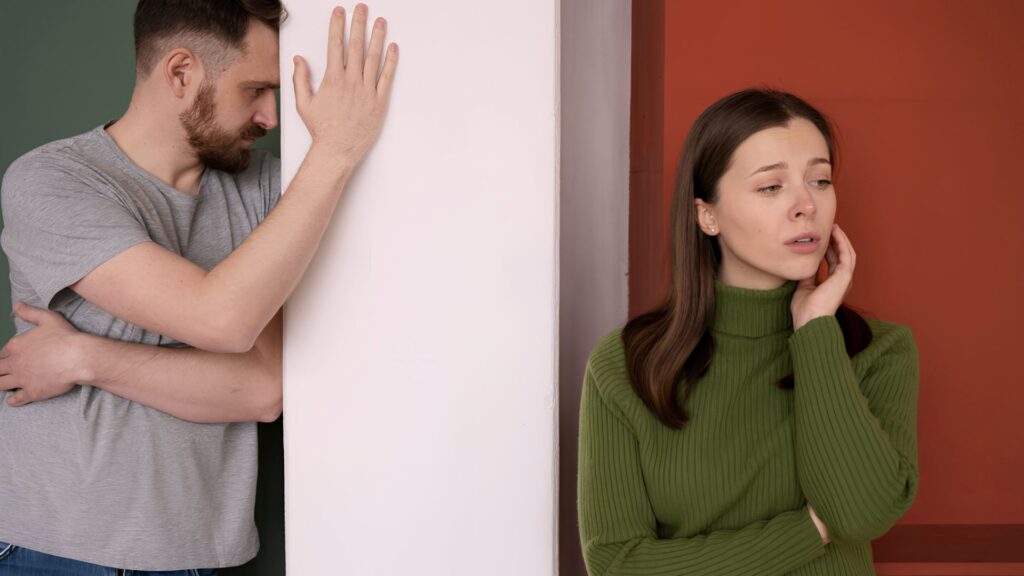
I’ve noticed reduced emotional connection is one of the earliest signs. Conversations become less meaningful.
Insight: Emotional withdrawal is often gradual, not sudden.
3. Excessive time with someone else
Spending too much time with one person can indicate emotional dependency. Priorities begin to shift.
Fact: Time spent reflects emotional attachment.
4. Inappropriate sharing

Sharing personal relationship issues outside marriage breaks emotional boundaries. It deepens outside connection.
Insight: Oversharing often builds emotional intimacy outside marriage.
5. Lack of interest in resolving issues
Emotionally distant partners often avoid fixing problems. They disengage from conflict resolution.
Fact: Avoidance is a common emotional distancing behavior.
6. Defensiveness

From my experience, defensiveness appears when emotional behavior is questioned. It can signal discomfort or guilt.
Insight: Strong defensiveness often hides emotional involvement.
Words of Advice
In my experience, addressing emotional infidelity requires calm and honest communication without blame. I believe seeking counseling can help both partners understand what went wrong and how to rebuild trust. Setting clear boundaries and being consistent is important for healing.
Taking care of emotional health is also necessary during this process because stress and insecurity can increase pain.